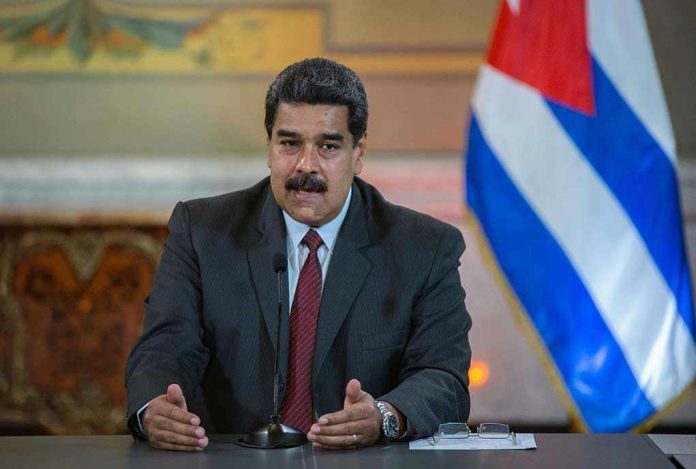
U.S. prosecutors just tied alleged torture of Americans to a named command system led from the top in Caracas.
Story Snapshot
- Superseding indictment in New York adds a conspiracy-to-commit-torture charge against Nicolás Maduro and Cilia Flores.
- Filing alleges a state-run repression system that used torture to crush dissent and keep power.
- Prosecutors say victims include U.S. citizens; methods listed are brutal and specific.
- New count joins existing narcoterrorism and drug charges in the same federal case.
What Prosecutors Filed And Why It Matters
The United States Attorney’s Office in the Southern District of New York unsealed a superseding indictment adding a conspiracy-to-commit-torture charge against Nicolás Maduro and his wife, Cilia Flores, on October 8, 2026. The filing says they ran a repression system through Venezuela’s military, intelligence, and security forces to silence opponents. The case places detailed torture allegations into a formal federal criminal pleading, not an advocacy report. One brief caveat: an indictment states allegations, not proven facts.
Prosecutors alleged that the torture targeted political opponents and detainees and included U.S. citizens. The indictment language, quoted in multiple outlets, asserts that Maduro authorized torture of specific individuals and oversaw the machinery that delivered it. The government describes this as a command-driven program, not isolated rogue acts. That claim, if proven, converts scattered abuse into a directed criminal conspiracy that can meet federal standards for extraterritorial reach.
The Alleged Methods And The American Stake
Reports citing the indictment list injuries from electric shocks, asphyxiation, rape, forced nudity, starvation, isolation, punishment cells, and psychological torture. Prosecutors linked the case to episodes in recent years, including a 2023 detention where a U.S. citizen was severely beaten, and another American allegedly shocked and forced to eat his own vomit over eight months. Naming methods matters: it signals evidence that can be tested against medical records, detention logs, and survivor testimony.
Including Americans as victims raises the stakes for U.S. law and policy. Federal criminal jurisdiction becomes clear when citizens are harmed. It also aligns with a basic conservative view of statecraft: protect your people, punish those who target them, and do not let foreign strongmen hide behind titles. Prosecutors say more than a dozen Americans suffered torture in Venezuelan custody, a number that will draw attention from Congress and victims’ families.
How This Fits A Larger Accountability Playbook
This move follows a familiar pattern in cross-border justice. When local courts fail, outside prosecutors use domestic criminal laws to reach grave abuses. European judges did it in the Augusto Pinochet saga; U.S. law has its own pathways. The present case extends an existing narcoterrorism and weapons matter, adding a torture conspiracy count that focuses on human rights violations as crimes, not just policy sins. That strategy turns moral outrage into charges a jury can weigh.
Deposed Venezuelan President Nicolás Maduro and his wife, Cilia Flores, are now facing an additional charge of conspiracy to commit torture as federal prosecutors filed a superseding indictment in the Southern District of New York on Thursday. Check the link in our bio for more. pic.twitter.com/5vPyNd9ors
— CBS Miami (@CBSMiami) October 8, 2026
Washington has flagged torture in Venezuela before; the United States Department of State’s human rights reporting has long cited such abuses. The new indictment translates those concerns into an accountability track with named defendants, time frames, and alleged methods. That is the line that matters in court. It tells victims they are not footnotes. It tells security officers who carry out illegal orders that rank does not grant immunity.
What To Watch Next In Court And Beyond
Expect pressure on evidence that links top orders to cell-level acts. Defense teams often attack the chain of command and witness credibility. Prosecutors will likely lean on survivor accounts, defectors, detention records, and any communications suggesting authorization. The government’s framing claims Maduro approved torture of specific people and kept control over the apparatus. If corroborated, that meets common-sense standards for responsibility: who had power, who gave orders, who kept the system running.
Also watch whether named U.S. victims step forward, and whether courts admit medical and forensic proof that matches alleged methods. The case blends law and geopolitics, but the core test remains simple. Did a directed system use torture against detainees, including Americans? If jurors accept that story, accountability follows. If not, the government will need to answer gaps. Either way, this filing signals that those who weaponize a prison cell can face a courtroom far from home.
Sources:
bbc.com, politico.com, latimes.com, cbsnews.com, axios.com, reuters.com, abcnews.com, san.com