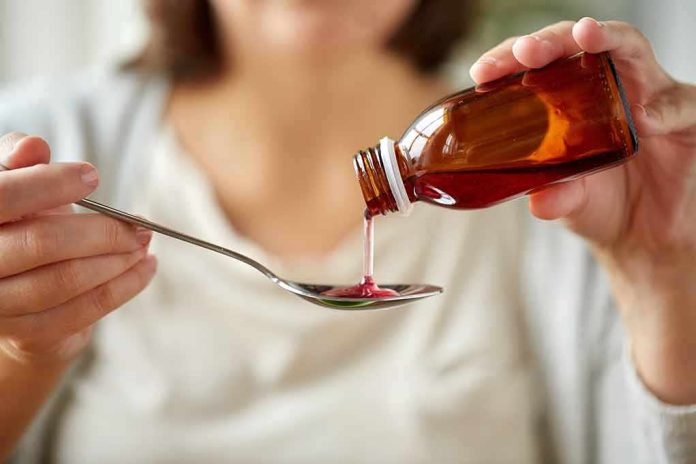
Police say a Jacksonville man admitted pouring toxic pennyroyal oil into a woman’s Waffle House sweet tea, but a child drank it first.
Story Snapshot
- Police accuse Samuel Langrin of putting pennyroyal oil into a woman’s sweet tea at a Waffle House.
- Reports say he later admitted pouring about half a bottle and said he wanted her to feel sick.
- A child drank from the cup at the home; doctors treated the child without life-threatening injury, reports say.
- Prosecutors charged poisoning food or water and child abuse without great bodily harm.
Arrest Report Says He Poured “Half a Bottle” And Named a Motive
Jacksonville Sheriff’s Office reports say Samuel Langrin first claimed an accident. He allegedly later admitted he “poured approximately half a bottle” of pennyroyal oil into the woman’s sweet tea and said he wanted her stomach to hurt so she would leave him alone. These details appear in multiple outlets citing the arrest report and court records. The listed charges include poisoning food or water with intent to kill or injure and child abuse without great bodily harm.
Police say the events began when Langrin went into a Waffle House to pick up the woman’s food and tea. The arrest report account says he had the oil with him and added it to the drink while inside the restaurant. The reported narrative ties the alleged act to the moment he handled the order, which authorities say provided opportunity. Coverage from News4Jax outlines this sequence, attributing it to the sheriff’s office.
Child Drank The Tea Before Anyone Realized
Reports say the woman took the tea home. A child there drank from the cup before adults realized something was wrong. Local coverage says the child received treatment and was not in life-threatening condition, according to the report summaries. That outcome shaped the charges as filed: prosecutors added child abuse without great bodily harm, in addition to the poisoning count tied to the woman’s drink. KBTX and Action News Jax both described this charging posture.
Action News Jax reported a shift in Langrin’s statements, from accident to admission. That change matters for a jury because it speaks to intent, which is a key element of the top count. The claim that he wanted to make her sick but not kill her may track with an intent to injure theory. Prosecutors often charge the highest offense supported by the report, then let courts sort the intent level at arraignment and beyond.
Why Pennyroyal Oil Raises The Stakes
Pennyroyal oil is not a harmless mint. Medical literature and poison control references link ingestion to liver failure, seizures, multi-organ failure, and death, even at small volumes. Toxicologists point to pulegone and menthofuran as the drivers of severe liver injury. That profile explains why a reported “half bottle” allegation triggers a felony. When a substance is known to be highly toxic by mouth, putting it in a drink fits the public’s common-sense idea of harm.
The science also explains the charges’ urgency. Poisoning cases do not wait on symptoms alone; they weigh the risk created. Officials do not need to see full liver failure to act. The law often punishes the deliberate act of lacing food or drink because it endangers life. This is why prosecutors file counts that capture intent to kill or injure, then let the medical record and the defendant’s words shape the path forward.
What The Case Signals About Everyday Safety
The reported setting—a familiar roadside diner, a to-go cup, a quick stop for food—shakes people because it feels ordinary. The account says the suspect altered a drink that was not his, and a child paid the first price. That cuts against basic norms of trust and responsibility. American conservative values stress personal accountability and protection of children; the described facts, if proven, meet both triggers. Courts exist to sort proof, but communities also expect clear consequences when lines like this are crossed.
Man charged with attempted poisoning after child drinks tea laced with essential oil at Waffle House https://t.co/Nwze5PNnPV
— ActionNewsJax (@ActionNewsJax) November 19, 2026
The next steps are predictable. Prosecutors will press the intent element using the alleged admission and the known danger of pennyroyal oil. Defense will likely focus on intent and knowledge of toxicity. Judges will weigh bond conditions and discovery. Meanwhile, parents will lock down drinks at home, and restaurants will lean on cameras and procedures to protect orders. The lesson is simple: custody of food and drink is a duty. Break it, and the law comes fast.
Sources:
nypost.com, lawandcrime.com, republicanballotnews.com, news4jax.com, dailymail.com