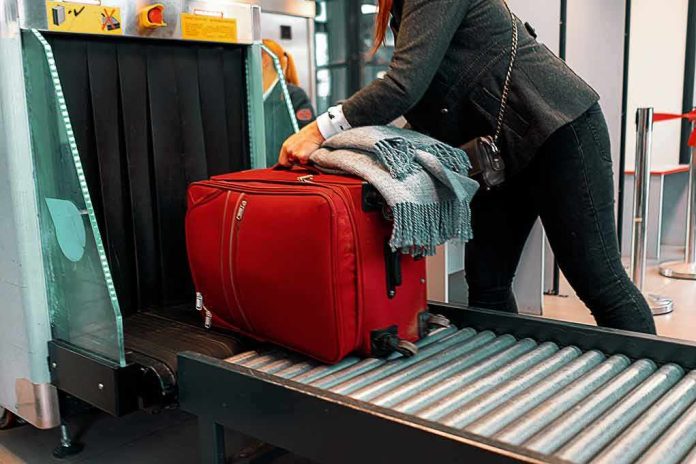
From 12 April 2025, airport sandwich to suitcase salami, if it is meat or dairy from the European Union, it stays off planes into Great Britain by law.
At a Glance
- The government extended a personal-import ban on EU meat and dairy to protect livestock from foot-and-mouth disease.
- The move followed confirmed outbreaks in parts of Europe and earlier, narrower restrictions.
- The ban covers common foods like sandwiches, cheese, cured meats, raw meat, and milk.
- Germany’s disease status later eased, but the personal-import rules still applied across the EU.
What changed for travelers on 12 April 2025
The Department for Environment, Food and Rural Affairs said that from 12 April, travelers could no longer bring meat or dairy from cattle, sheep, goats, or pigs into Great Britain for personal use if it originated in any European Union country. The rule applies at airports, ferry ports, and rail terminals. It is not about grocery shipments or restaurant supply. It targets what people carry in bags. The restriction excludes arrivals from Northern Ireland, Jersey, Guernsey, and the Isle of Man.
Officials listed the everyday foods that now trigger seizure at the border: sandwiches, cheese, cured meats, raw meat, and milk. That clarity matters. Many travelers think factory packaging makes food safe to carry. The new direction says packaging does not matter. The veterinary note confirms the suspension covers both unpackaged and commercially produced packaged products from the European Union single-market area when they come in as personal imports.
Why the ban was extended to all EU countries
The government tied the expansion to the risk of foot-and-mouth disease. That virus spreads easily between cloven-hoofed animals and can ride along in meat and dairy. Outbreaks inside parts of the European Union raised concern about the chance of the virus entering Great Britain through personal food items. Before the April decision, the government had already imposed targeted bans on Germany, Hungary, Slovakia, and Austria based on confirmed cases and updated veterinary advice. The April step widened the shield to the whole bloc.
The approach used a legal tool called a safeguard declaration under the Trade in Animals and Related Products rules. The Official Veterinary Surgeon note dated 11 April set out the direction and scope. It instructed enforcement on personal imports from the European Union single-market area and kept the measure on a formal footing for England, Scotland, and Wales. That record means airlines, ports, and Border Force have clear orders. It also creates a paper trail for review and any later easing.
How this fits the post-Brexit border playbook
The United Kingdom shifted to a national, risk-based border system after leaving the European Union. Parliament and departments have said controls should match the risk of pests and diseases and that animal products deserve strict checks. The government also set out new border controls in 2024 and beyond to tighten checks on higher-risk goods from the European Union. The personal-import ban is a sharp version of that logic. It targets a low-cost, high-consequence pathway with simple rules at the point of entry.
For readers who ask whether this is fair or excessive, the question is about risk tolerance, not politics. One suitcase of infected sausage can shut farms, crush local markets, and force mass culls. The public pays the bill. That is why a bright-line rule can align with common sense and conservative values: stop the threat at the border, back farmers, and spare taxpayers from disaster response. The policy states that goal plainly: protect livestock health, farmers, and food security.
Enforcement clarity and common trip wires
Travelers should plan before packing lunch for the flight home. The rule covers meat and dairy from cattle, sheep, goat, and pig species. That means ham sandwiches, salami snacks, chorizo, biltong, raw steaks, fresh milk, soft and hard cheeses, and yogurt are all out. Officers can seize and dispose of items at the gate or baggage hall. Commercial proof like a receipt does not change the rule. Heat treatment or vacuum sealing does not create a general exemption under the personal-import ban.
Thank god, I thought I'd never survive winter without this decision!
Ministers drop foie gras imports ban to help seal EU food trade deal
Animal welfare charities criticise ‘backwards step’ on foie gras, production which has been banned in UK since 2007https://t.co/WtgHSX8sBO
— Pickles U Fat Get (@torysmasher) November 18, 2026
There are also edge cases to avoid. Mixed foods that contain any listed meat or dairy will be taken. Travelers often forget about gifts, picnic kits, and duty-free style baskets that include cheese or cured meats. If in doubt, leave it behind or buy it on arrival from a United Kingdom retailer. The government’s traveler guidance page explains the broader personal-import rules and is updated as disease risks change.
Updates since April and what to watch next
After April, the government recognized Germany as free of foot-and-mouth disease. It eased certain disease controls but kept the personal-import restrictions in place at that time. Hungary later received recognition of freedom as well. These updates show the system can move as conditions improve. They also signal that personal-import policy may lag medical status changes while officials check wider regional risk and compliance at the border.
Travelers should watch for government updates before trips. Farmers and hauliers should not mix up these rules with commercial trade rules, which follow different processes. The bottom line is simple enough to remember on a rushed packing day: if it is meat or dairy from the European Union and it is for your own use, do not bring it into Great Britain after 12 April 2025.