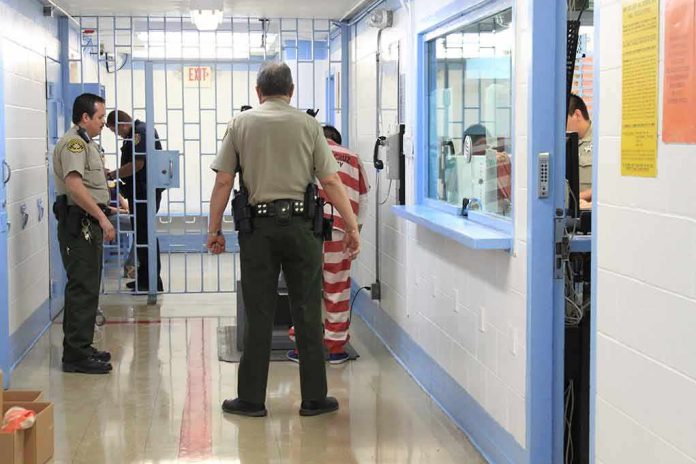
New York City set a new, later date to shut Rikers Island and laid out the play-by-play to get there.
Story Snapshot
- The city released a 75-page Close Rikers Strategic Plan targeting Dec. 31, 2032.
- Four borough jails would replace Rikers, opening in phases through 2032.
- The plan aims to cut the jail population from about 6,600 to near 4,100.
- City law still sets an Aug. 31, 2027 Rikers closure deadline, which would need updating.
A dated plan, not a slogan
Mayor Zohran Mamdani’s administration published a roadmap to close Rikers Island by December 31, 2032, with a detailed sequence for building and opening four replacement jails across the boroughs. The blueprint sets out population targets, project timelines, and program areas meant to reduce the number of people held in city custody. City Hall framed the shift as a managed transition from one aging complex to a smaller, borough-based system. The plan arrives as public debate keeps circling safety and deadlines.
The schedule puts the Brooklyn facility first in 2029, followed by new jails in the Bronx and Queens in 2031, and Manhattan in 2032. Reports describe each site at 1,040 beds, which implies about 4,160 total beds citywide when complete. Other coverage cites totals closer to 4,100 or 4,500, showing a live question on final capacity assumptions. That spread matters because every bed count lines up with population targets the city must hit to close Rikers on time.
The math behind fewer people in custody
The administration set a population reduction goal from roughly 6,600 people to about 4,100, which would match the four new facilities near full use. The plan links that goal to diversion programs, supervised release, treatment access, and faster case processing, including steps to speed discovery, forensic work, and record production. These moves aim to shorten stays before trial and steer people with behavioral health needs into care. The city will issue quarterly progress reports to track delivery.
The city paired the policy steps with near-term funding. A proposed $146 million investment next year would support community programs, supervision, education, job training, mental health counseling, and drug treatment that keep people stable and in court while cases move forward. The package signals that officials see the population goal as a system problem, not a single-agency fix. Clear funding lines, if maintained, can buy time for courts and construction to align with the new timeline.
The law, the clock, and the buildout
City law still sets August 31, 2027 as the date to end incarceration on Rikers Island. The new plan would push the closure target to December 31, 2032, five-plus years later, and requires City Council action to change the legal deadline. That creates a formal step the administration cannot skip. It also means the public debate will likely focus on whether the later date is a practical reset or a delay that weakens urgency. The first replacement site does not open until 2029, keeping the project exposed to construction risk.
Mayor Mamdani unveiled a plan to close Rikers Island by 2032 and replace it with four borough jails, cutting the jail population to about 4,100 — but the city will miss its 2027 deadline by five years. https://t.co/p8bGxxZuqg pic.twitter.com/PhXjKTpHD1
— Profilo politics (@profilopolitics) November 20, 2026
New York has shrunk its jail population before, through many levers at once. Previous city analyses connected fewer jail admissions to lower crime, alternatives to incarceration, and wider supervised release, with jail counts reported far below their early 1990s peak. That history suggests the target is not impossible but does require steady coordination. American conservative values stress order, accountability, and results. On that score, the quarterly reporting promise helps, but the city will need clean numbers on capacity, caseloads, and time-to-disposition to keep trust.
Security, services, and common-sense tests
Public safety will hinge on how the city screens who gets diverted, who gets supervision, and who stays detained. The plan’s premise is that faster case work and targeted services can cut jail days without risking communities. That claim deserves strict measurement. A simple standard applies: protect the public, respect victims, and deliver humane custody for those who must be held. If diversion slots, court throughput, and bed counts do not keep pace, the city should adjust quickly and tell the public why. Clarity beats spin when the stakes are this high.
Sources:
facebook.com, abcnews4.com, today.com, edition.cnn.com, queenseagle.com, english.elpais.com, huffpost.com, unbiasedheadlines.com