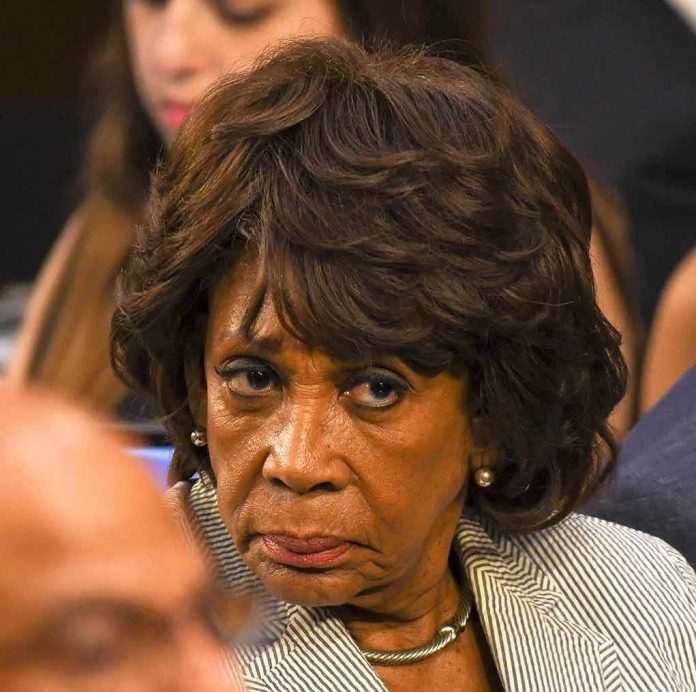
Maxine Waters said “white media” stokes a Democrat-versus-socialist brawl for ratings, and that charge reveals more about today’s media economy than her party wants to admit.
Story Snapshot
- Waters blamed “white media” for hyping Democrat infighting to boost viewership.
- Audience data shows Americans think media drives division, but that is perception, not proof.
- Research on news content finds no consistent partisan bias pattern across elections.
- Conflict framing is a routine newsroom play because conflict grabs attention.
What Waters Said And Why It Landed
Representative Maxine Waters claimed the “white media” is pushing a fight between establishment Democrats and democratic socialists to juice ratings. A conservative outlet summarized her point and amplified the phrase across social feeds. The phrase is a rhetorical grenade. It blends race, media motives, and party rifts. That mix guaranteed clicks and cable chatter. It also dodges a harder truth. Conflict gets coverage because conflict sells. Outlets know audiences reward drama with time and shares.
Viewers do think news makes division worse. A recent review notes about three in four Americans say the news media increases political divides. That is a serious signal to editors and producers. Yet it remains a perception measure, not a smoking gun that proves an intent to split Democrats for profit. The best reading is simpler. News chases engagement. Engagement rises when stories spotlight winners, losers, and feuds. That incentive runs every day, not only in one party’s fights.
What The Evidence Can And Cannot Prove
Claims about deliberate partisan engineering need proof, not vibes. Reviews of news content across many races and years do not show a single, steady bias for either party. Findings vary by event, outlet, and cycle. That undercuts blanket claims of a top-down plot to harm Democrats. It also rebukes a lazy defense that “our side” never gets a fair shake. The fair claim is narrower. Newsrooms lean on conflict framing as a default tool because it draws attention and feels like accountability.
Conflict framing has documented effects. Studies find it mobilizes talk and interest, which can be good for civic life, but it also hardens group lines when used like a drumbeat. Platforms add fuel. Social networks reward outrage spikes with reach, which nudges editors to keep feeding conflict-heavy clips. That system pressures coverage toward heat over light. It still does not prove a conscious plan to split Democrats. It shows a business model that pays out when tribes clash.
Race, Rhetoric, And Responsibility
Waters’s “white media” tag aims to shame legacy outlets and frame critics as racially blinkered. That line shifts blame from party choices to newsroom identity. It also writes off many journalists who do solid, shoe-leather work. Framing the press as a racial bloc dodges policy debate and invites more tribal talk. From a conservative view rooted in equal treatment, this move is a distraction. Hold the press to standards. Do not smear whole groups by race when the core issue is incentives and editing judgment.
Maxine Waters Claims the ‘White Media’ is Trying to Divide Democrats for Ratings | Mike LaChance, The Gateway Pundit
Rep. Maxine Waters recently told followers that the Democrats are doing ‘pretty good’ with regards to the midterms, before warning people that when it comes to… https://t.co/U97vQRjjqP
— Owen Gregorian (@OwenGregorian) September 1, 2026
Democrats have their own messaging rifts. Party leaders sometimes scold the media for mixed signals instead of fixing a clear plan. One senior Democrat said the party leans too much on the press to carry its case, which is not a ratings plot so much as a strategy gap. If party brands are fuzzy, conflict stories fill the void. That is not on viewers. That is on leaders who must set priorities and defend them in plain terms, even when factions fume.
What Smart Consumers And Leaders Should Do Next
Newsrooms should curb reflexive “party at war” banners and add context. Show where wings agree, not just where they clash. Editors should flag when a spat is fringe or a real split on votes and dollars. Social teams should stop clipping the spiciest ten seconds without the next two minutes that add nuance. Readers should reward depth with clicks and time, not just snark. Leaders should ignore bait and stay on policy stakes. Conflict still matters, but it should serve truth, not chase trends.
Bottom Line
Waters points at the press and claims a race-tinted ratings scam. The record supports a humbler lesson. News economics favor conflict framing because it draws crowds, and social platforms accelerate the loop. Public trust suffers when every policy talk turns into a food fight. The fix is not to blame a race or gag the press. The fix is better incentives, better editing, and leaders who choose clarity over clout. That is common sense, and it works across parties.
Sources:
congress.gov, politico.com, en.wikipedia.org, waters.house.gov, thedailybs.com, transcripts.cnn.com