Two Cal Poly women were hurled into the air by a Tesla on a campus-adjacent street, and a sweeping lawsuit now says the crash began at a fraternity party.
Story Snapshot
- A civil suit names the driver, two students, and a fraternity for alleged negligence.
- Police arrested the suspected driver after two pedestrians were badly hurt near campus.
- A judge ordered felony DUI and hit-and-run charges to trial after a hearing.
- The complaint claims underage alcohol was supplied and a Tesla was lent to an impaired driver.
Collision, Arrest, And A Case That Would Not Go Away
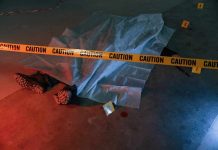
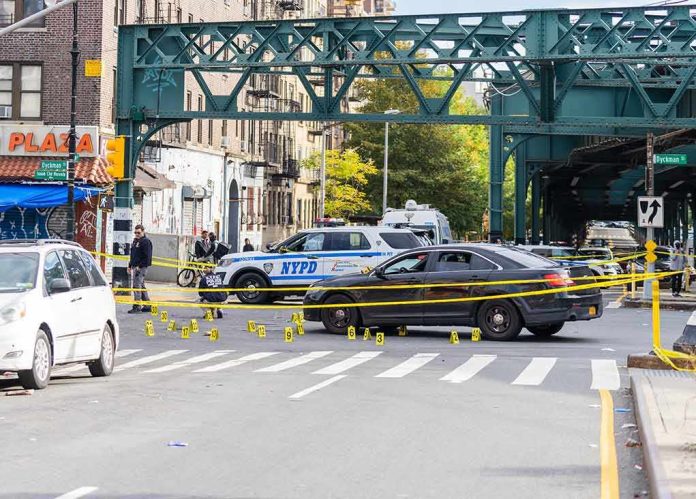
San Luis Obispo Police reported a serious crash around 9:30 p.m. on January 8 on the 100 block of Crandall Way, near the Cal Poly campus. Two women crossing the street were struck and seriously injured. Officers later located a dark-gray Tesla Model 3 based on eyewitness tips and arrested a student, Ishan Pandhare, in connection with the hit-and-run investigation. Prosecutors later filed felony charges that include driving under the influence causing injury and hit-and-run causing injury. Pandhare pleaded not guilty.
Prosecutors presented evidence at a preliminary hearing, including witness accounts that one victim was launched and traveled 20 to 30 feet. A San Luis Obispo County judge ruled the case should proceed to trial on felony counts, moving the criminal matter toward a jury. That ruling does not decide guilt but signals the court found enough evidence for the charges to be tested at trial. The women’s injuries, the nighttime setting, and the pedestrian status shaped the case’s urgency.
The Lawsuit: Who Is Named And What It Claims
The injured pedestrians, identified in coverage as Burke and Archibald, filed a civil complaint on July 10 in San Luis Obispo County Superior Court. The suit alleges negligence against Pandhare. It also names Kappa Sigma fraternity and two members, Aidan Jameson Kennedy and Kip Stackle, claiming they provided alcohol to an underage driver and contributed to the risk chain that ended in the crash. The complaint further alleges Kennedy owned the Tesla and allowed Pandhare to drive it despite signs of impairment, an assertion central to the civil claims.
The plaintiffs’ theory tries to connect a social setting to a street impact. They describe a fraternity-related event they say involved alcohol and underage drinking before the collision. Reports on the complaint say it paints a vivid scene, including claimed speed near 60 miles per hour and a jarring description that the women were left “like run-over garbage”. Those phrases come from the civil filing and media accounts, not a final court finding. The criminal not-guilty plea keeps those details in dispute for now.
What The Criminal Case Establishes Versus The Civil Fight Ahead
The criminal file anchors several facts: a nighttime pedestrian crash near Cal Poly, severe injuries, a found Tesla, an arrest, and felony charges sent to trial. The civil action aims at broader responsibility. It targets who allegedly supplied alcohol and who controlled the keys. California law draws a tough line on social host liability for alcohol, but plaintiffs often argue exceptions and negligence pathways when underage drinking and vehicle access mix. The complaint tries to fit that needle by tying permission, knowledge, and foreseeability into one chain.
American conservative values stress personal responsibility. If the driver was impaired and behind the wheel, that choice sits at the center of accountability. The case also tests a common-sense question: if you hand keys to someone you know, or should know, is not safe to drive, should you bear some share of the fallout? Courts will press for facts—who provided what, who knew what, and when. The claims will rise or fall on evidence, not emotion.
Evidence That Will Likely Decide The Outcome
The path forward runs through data and testimony. Police reports, witness statements, and any chemical test results could show impairment levels and timing. Vehicle data from the Tesla, video near Crandall Way, and a reconstruction analysis could fix speed, braking, and lighting conditions. Messages, photos, and records from any pre-crash gathering could confirm who supplied alcohol, who attended, and who granted permission to use the car. Medical records will document harm and long-term costs.
Pedestrian crashes at night often turn severe. National trends show that alcohol, darkness, and speed combine into a lethal mix, especially near busy campuses. That backdrop explains why this case drew swift charges and a civil filing. The court will now separate drama from proof. The criminal trial will judge the driver’s conduct. The civil suit will test whether others share legal blame. Both tracks seek the same thing the public expects: clear facts, fair fault, and a result that deters the next preventable tragedy.