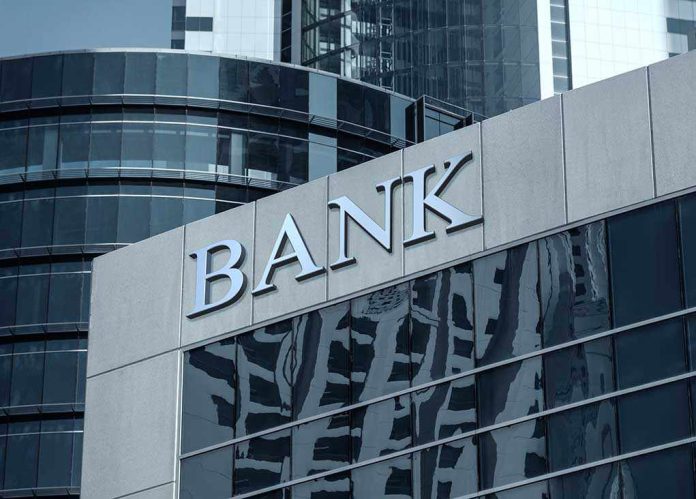
One failed piece of communications gear froze essential banking services at 128 regional lenders, then snapped back hours later.
Story Snapshot
- Operators said an equipment malfunction, not a cyberattack, caused the outage.
- The disruption began about 1:30 p.m. on November 6, 2026, and hit 128 shinkin banks.
- Customers faced blocked counter services and ATM transactions across multiple prefectures.
- Core services were restored shortly after 7 p.m. the same day, officials said.
What failed, when it failed, and who felt it
Shinkin Central Bank and Shinkin Kyodo Center reported a network system failure at about 1:30 p.m. on Friday, November 6, 2026. The hit list included 128 shinkin banks, such as Okazaki Shinkin Bank in Aichi, Osaka City Shinkin Bank in Osaka, and Hiroshima Shinkin Bank in Hiroshima. Customers could not complete over-the-counter transactions or use automated teller machines. Transfer and online banking functions also saw disruption in some areas as the shared network faltered.
Organizations managing the shared network apologized and said the incident did not involve a cyberattack. They pointed to a malfunction in communications equipment as the cause. Reporting tied the problem to a Western Japan operations center that links many regional shinkin banks on common rails. That location detail fits the wide footprint seen during the outage window. It also explains why different branches experienced similar failures at the same time across prefectures.
How service returned and what that tells us
Restoration moved in phases during the afternoon, with deposits and withdrawals resuming first in some spots. Officials said the system was fully restored shortly after 7 p.m. the same evening. That pattern suggests intact data and working failover processes, even if not seamless. A quick rebound points to a single chokepoint component, not broad corruption. This is the kind of fix you see when hardware is swapped, a route is changed, or a configuration is rolled back.
Reports noted that a mid-October system update had been discussed by some as a possible factor, while the official line focused only on an equipment failure. That kind of timing often raises eyebrows, but the institutions did not tie the issue to software changes. The stronger read, based on the same-day recovery and the scope, is a single communications layer fault that rippled through the shared network stack. The lesson is simple: one bottleneck can feel like a nationwide squeeze.
Why this was not treated as a cyber event
Japan’s regulators have warned for years that system failures can look like hacks from the outside. The Financial Services Agency’s reports on information technology resilience describe communications and infrastructure faults that can halt critical services without any intruder in sight. The Bank of Japan groups cyberattacks with power loss, natural disasters, and technical failures as separate, overlapping risks to continuity. The official claim here fits that map: a hardware or communications miss, not a criminal breach.
🚨 128 Banks Down in Japan! What Really Happened?
A major banking outage in Japan disrupted services across 128 regional banks, leaving ATMs, net banking, and money transfers inaccessible for nearly 5.5 hours.
While rumours of a cyberattack spread online, officials attributed… pic.twitter.com/WYdO6q47uY
— CyberPeace Corps (@cyberpeacecorps) November 13, 2026
Common sense lines up with that guidance. A mid-day, multi-bank outage on shared rails can arise from a single failed link. Rapid same-day restoration supports that view. Cyber incidents often linger and require isolation, forensics, and rebuilds. This one did not. Conservative stewardship of core systems calls for fewer single points of failure, more tested failover, and clear communication in plain language when things break. Customers handle bad news better than vague talk; they want service back and the truth fast.
Operational takeaways for banks and customers
Shared infrastructure saves money and speeds service, yet it can concentrate risk. The fix is not retreat to silos. The fix is redundancy you actually test, plus simple, robust communication plans. The Financial Services Agency urges annual reviews of cybersecurity and resilience, including network hardening and recovery time objectives. That is not paperwork; it is a drill. If one center stumbles, traffic must auto-shift. If a device fails, parts and people must be ready within hours, not days.
For customers, the practical move is diversity. Keep more than one way to pay. Hold a small cash buffer. Maintain access to two banks or a bank and a credit union. If you run a business, talk to your bank about outage playbooks, settlement timing, and backup options. Ask direct questions and expect direct answers. When providers keep their promises on resilience, commerce keeps moving, and trust grows. When they do not, events like this turn a quiet Friday into a scramble across 3,000-plus branches.
Sources:
townhall.com, nippon.com, jen.jiji.com, cnbctv18.com, gdnonline.com, asiadaily.org, jen-k.jiji.com