Colombia’s quake turned a normal Monday morning into a race against time, with rescuers pushing through rubble while airports, hospitals, and whole neighborhoods reeled.
Quick Take
- A magnitude 7.4 earthquake struck western Colombia at 07:34 local time.
- Pereira was one of the hardest-hit cities, with deaths, trapped residents, and heavy damage reported.
- Authorities suspended flights at several airports while they assessed the damage.
- Public reporting points to major disruption, but airport-specific damage details remain thinner than the broader disaster coverage.
The Quake Hit Fast and Hard
The earthquake struck western Colombia with enough force to trigger broad panic and immediate rescue work. Reuters, BBC, and other outlets reported the quake as magnitude 7.4, with the strongest accounts placing the time at 07:34 local time and the epicenter near San José del Palmar in Chocó province. The depth helped explain why shaking spread far beyond the epicenter and was felt across a wide part of the country.
That speed matters. When a quake lands during the morning rush, people are already in offices, terminals, schools, and apartments. That is how a seismic event stops being just a natural disaster and becomes a test of every building, road, and emergency plan at once. Reports said people felt the shaking far beyond western Colombia, and the country’s geological service described it as the strongest quake in years.
Pereira Became a Major Damage Zone
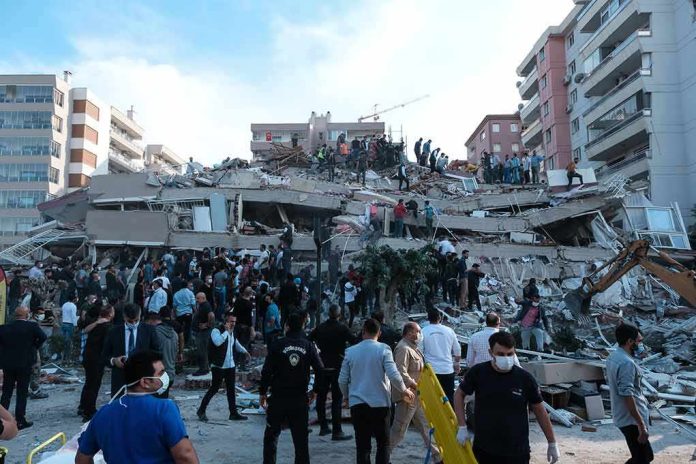
Pereira quickly emerged as one of the cities most visibly hurt by the quake. Reuters reported deaths, collapsed buildings, and people trapped inside damaged structures in the city, while Al Jazeera and other outlets said local officials counted heavy casualties there. Later coverage also described Pereira as a center of destruction in the coffee-growing region, with rescuers searching through debris and families waiting for word on missing relatives.
That is why the rescue scenes carried such force. A city can absorb a tremor and keep moving. It cannot absorb building collapse, fallen walls, and trapped residents without bringing in firefighters, medical crews, and engineers. The reporting shows exactly that kind of response: emergency measures, widespread evacuations, and a rush to find survivors before the window for rescue narrowed.
Airports Felt the Shock Too
The airport story sits inside the wider disaster, not outside it. Several reports said flights were suspended at airports in Pereira and other affected cities while officials checked for damage. NBC News reported that airports in Cali, Pereira, Manizales, Quibdó, Armenia, Cartago, and Buenaventura were affected and that flights were suspended pending structural checks. Reuters also reported damage to hospitals and infrastructure, showing how quickly the quake spread into the transport network.
A powerful 7.4-magnitude earthquake has left western Colombia reeling, killing more than 160 people and injuring hundreds. As rescue teams continue searching for survivors, homes, public buildings and churches lie damaged or destroyed. The earthquake struck the country on Monday… pic.twitter.com/Q5k7cAhTw8
— Shalom World News (@shalomworldnews) August 11, 2026
That said, the supplied record is stronger on regional airport disruption than on one airport’s exact damage. The evidence here supports the broader claim that Pereira’s airport was among the facilities affected, but it does not include a direct Matecaña International Airport bulletin, inspection log, or engineering report. In plain terms, the quake’s impact on the city and airports is well supported; the fine-grain airport damage story is less fully documented in the material provided.
Why the Rescue Effort Mattered So Much
Major earthquakes punish delay. Every minute after the shaking ends changes the odds for people under rubble, especially in crowded city buildings. That is why local officials, firefighters, and medical teams moved fast. Reporting from Reuters, the BBC, and Al Jazeera showed a disaster that was not limited to one broken block. It spread across cities, strained hospitals, and forced wide evacuations while crews searched for survivors.
The conservative common-sense read is simple: when buildings fail, airports shut down, and rescue teams are still pulling people from debris, the first duty is to stabilize the scene and save lives. The second duty is to document exactly what broke and why. The current reporting clearly establishes the quake, the damage, and the emergency response. It also shows why airport-specific evidence can lag behind the first wave of breaking news.
What the Early Coverage Left Open
Early disaster coverage often tells you what happened in broad strokes before it can tell you everything about one building, one runway, or one terminal. That pattern fits this event. The record strongly supports the magnitude, timing, and regional destruction, but it does not yet provide the same level of detail for Matecaña International Airport itself. That gap does not weaken the quake reports; it just marks the difference between a citywide disaster story and a site-by-site damage audit.
Sources:
youtube.com, bbc.com, aljazeera.com, en.wikipedia.org, theguardian.com, earthquakelist.org, news.cgtn.com, cebudailynews.inquirer.net