A college athlete from New Jersey died after police shot him when he went to the wrong house during a night out, his family says.
Story Snapshot
- Dispatchers sent officers to a “possible break-in” at a Montgomery County, Pennsylvania home.
- Family says the student was drunk, unarmed, and thought it was his friend’s house.
- Officers found him at the rear of the property before shots were fired.
- Officials say backyard video is evidence in an active investigation.
What Police And Family Say Happened
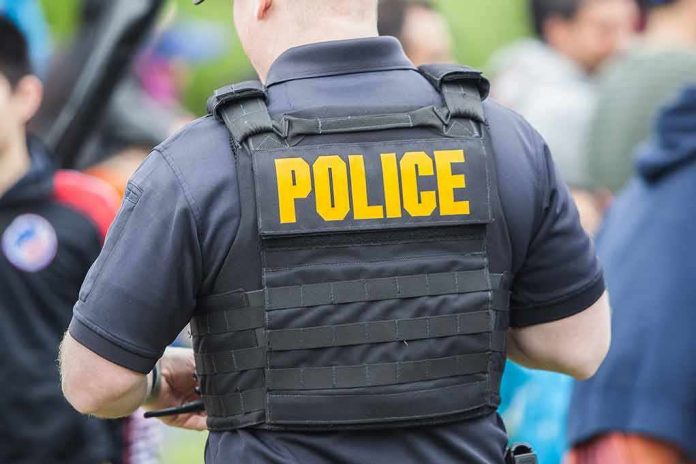
Upper Pottsgrove Township police responded around 12:30 a.m. to a 911 call of a possible break-in at a home in Montgomery County, Pennsylvania, according to county officials. Officers found a man behind the residence. An encounter followed and police fired, killing him at the scene, local outlets reported. The man’s family identified him as a New Jersey college athlete. They say he ended up at the wrong house after drinking and knocked while saying, “Hey, let me in,” believing it was a friend’s home.
The family says he carried only a phone and a backpack and had no weapon. The Montgomery County District Attorney’s Office said the occupants of the home were startled and called 911 about a possible break-in, which matches a mistaken-entry scenario more than a planned attack. Officials say backyard surveillance video exists and is part of the active case file. Local television also reported that investigators have not released further details about the key moments before the shots.
Why The Back Yard Matters In A Panic Call
Wrong-address encounters often hinge on location and timing. Homeowners hear someone at night, they call 911, and everyone’s nerves spike. Police arrive primed for a possible crime. Finding a person behind a home in the dark heightens risk judgments, fast. That is where training, clear commands, and lighting matter. The law then asks what a reasonable officer believed in that moment, not what later turned out to be true about intent or identity.
Courts have long stressed this “objective reasonableness” frame in mistaken-identity and wrong-location cases. They weigh what officers knew, what they saw, and how fast events moved. Some rulings have upheld force when a clear threat appeared in seconds. Other decisions have held officers and counties liable when entries or escalations lacked a sound basis, especially on private property without urgent cause. The same test applies here: facts first, measured against what a reasonable officer would do then, not now.
What Responsible Policing And Common Sense Demand
Americans want police to answer 911 calls fast and keep families safe. They also expect restraint, strong flashlight work, and clear, loud commands before pulling a trigger when no weapon is seen. Conservative common sense backs both truths. Secure the scene. Announce. De-escalate when possible. Use force if a real threat appears. When a young man knocks at the wrong door after drinks, the system must separate a tragic mistake from criminal intent with evidence, not emotion.
Transparency is the path to trust. Release the 911 audio, dispatch logs, and body-worn camera if available. Show the backyard video, with time stamps. Confirm whether officers gave commands, what the man did, and how close everyone stood. Families deserve answers. Officers deserve fair judgment based on the full record. County officials say the Detective Bureau is leading the review. They should publish a clear timeline and findings once complete.
What To Watch Next
Expect key facts soon from toxicology, autopsy, and video review. These can show intoxication levels, bullet paths, distances, and movements. The friend group can confirm where he meant to go. Dispatch logs can prove what officers heard on the way. Each piece fits the central question: did officers face an immediate threat or a confused student at the wrong address? The answer should rest on the hard evidence now in county hands, not early headlines.
Sources:
nypost.com, law.com, reuters.com, nj.com, 6abc.com, govinfo.gov, instagram.com