Todd Blanche won the job after a fight that turned on one unsettling question: how much power can a lawyer for President Trump safely hold over the Justice Department?
Story Snapshot
- Blanche moved from acting attorney general to Senate-confirmed attorney general after a razor-thin vote.
- The fiercest dispute centered on a $1.8 billion settlement-linked fund and tax immunity language tied to Trump and his family.
- Republican holdouts accepted Blanche only after he issued written assurances that said “there is no Fund.”
- His past work as Trump’s personal lawyer kept the confirmation fight focused on independence, not just credentials.
The Senate Fight Was Never Really About Paperwork Alone
Blanche’s confirmation turned into a test of loyalty, trust, and power inside the Justice Department. The Senate Judiciary Committee advanced him after a 12-10 vote, but only after Blanche gave written assurances to wavering Republicans and agreed to scale back the disputed settlement terms.
That detail matters because the fight was not about a vague cloud of suspicion. It was about a specific arrangement linked to President Trump’s lawsuit against the Internal Revenue Service, a proposed compensation fund, and language that could shield Trump’s family from tax scrutiny.
Why Opponents Kept Pressing
Critics said Blanche should not lead the nation’s top law enforcement office while carrying Trump’s legal baggage. National Public Radio, Reuters, and The New York Times all described his ties to Trump as direct and unusually close, since Blanche had served as Trump’s criminal defense or personal lawyer before entering the Justice Department.
The strongest objection came from the settlement itself. Reporting said the plan originally included a so-called anti-weaponization fund and broad tax-immunity language, and that Republican holdouts wanted those parts killed before they would back Blanche. That is why the written promise that “there is no Fund” became the hinge of the entire fight.
How Blanche Overcame the Holdouts
Blanche’s path opened when Republican senators who had been blocking him decided his written assurances were enough. Reporting shows that Senator John Cornyn and Senator Thom Tillis were key holdouts, and that their support helped move the nomination out of committee.
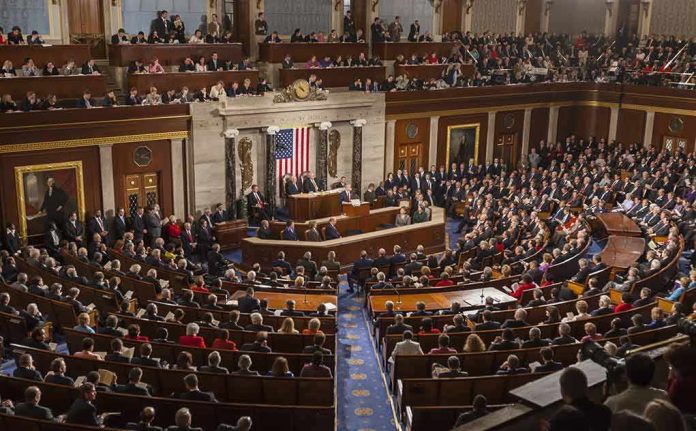
Senator Bill Cassidy then said he would vote to confirm Blanche, which made final approval much more likely. The Senate later confirmed Blanche by a 50-49 vote, a margin so narrow that every vote carried weight and every objection stayed visible.
What This Says About Trump’s Justice Department
This confirmation says as much about the current political climate as it does about Blanche. The New York Times described the Justice Department as central to President Trump’s effort to punish perceived enemies, and that framing explains why Blanche’s nomination drew such intense scrutiny. For supporters, his earlier Senate confirmation as deputy attorney general showed he had already passed one serious test.
For opponents, that earlier confirmation did not erase the core concern. They saw a lawyer closely tied to Trump, stepping into a post that depends on independence, while carrying a record of public alignment with the president’s legal and political goals. That is why the fight felt larger than one nominee. It was really a contest over whether the Justice Department answers to law, or to the man who appointed its leader.
Todd Blanche confirmed as the 88th US attorney general, 50-49, in a 4:17am vote. Collins and Murkowski broke ranks – and with McConnell absent, the deciding vote fell to Bill Cassidy, who just lost his own renomination to a Trump-backed challenger.https://t.co/qe2iJGDKyG
— Go Brief (@gobrief) August 8, 2026
The final vote settled the legal question of confirmation, but it did not end the political argument around Blanche. The written assurances, the committee vote, and the final Senate margin all gave his allies a procedural win, while critics kept pointing to the same deeper worry: that the nation’s top prosecutor now arrives with a very clear history and a very political shadow.
Sources:
facebook.com, nytimes.com, congress.gov, abcnews.com, en.wikipedia.org, youtube.com, theguardian.com, politico.com, time.com, pbs.org, judiciary.senate.gov