Three top federal agencies quietly told the aviation world to keep its eyes wide open, right before the year’s busiest travel week.
Story Snapshot
- Federal Bureau of Investigation (FBI), Department of Homeland Security, and Transportation Security Administration sent a joint advisory to airlines and airports.
- The alert flagged online praise by al-Qaeda backers for a recent attempted hijacking and urged vigilance.
- Officials highlighted specific red flags like badge misuse, security workarounds, and unusual info requests.
- Authorities said there were no specific, credible threats to United States aviation at the time.
What Prompted The Advisory, And Why It Landed Now
Federal security officials sent an informational report to commercial airlines, cargo carriers, and airports on November 19. The report cited messages from al-Qaeda affiliates and supporters praising a recent attempted hijacking and urging similar action against perceived United States, Israeli, and Jewish targets. The guidance arrived days before Thanksgiving when crowded terminals and full flights can hide risks in plain sight. Busy seasons demand sharper vigilance because attackers study patterns and look for stress points.
Officials did not tell the public to panic. A Transportation Security Administration spokesperson said there were no credible threats to United States aviation then. That matters. Clear-headed vigilance beats loud alarms. Agencies want eyes on possible warning signs while avoiding fear that freezes judgment. That balance is hard in a holiday rush. But it is the right call when information suggests interest and chatter, not a named plot or a known team ready to act.
The Specific Behaviors Airports And Airlines Were Told To Watch
The advisory did not traffic in vague warnings. It pushed operators to look for concrete things that often appear before a plot. Those included attempts to evade screening, odd requests for detailed security or flight operations data, unauthorized access to luggage or cargo, and missing or misused uniforms and badges. These signs are small on their own. Together, they can show intent. This is the playbook that catches bad actors early and protects normal travelers who just want to get home.
Airlines and airports already drill on these points, but timing shapes risk. Holidays bring new hires, overtime shifts, and contractors filling gaps. That can create small cracks in routines. Smart security leaders close those cracks fast. They confirm badge control, audit access logs, and remind staff to escalate odd requests instead of answering them. Simple blocking and tackling stops most threats. It also respects travelers’ time by focusing on real risks, not theater.
How This Fits The Post‑9/11 Security Model
The post‑9/11 approach prizes fast sharing and layered defenses across government and industry. The 9/11 Commission detailed how, before the attacks, threats lived in separate silos and never clicked together in time. Today, the FBI, Department of Homeland Security, and Transportation Security Administration push out early signals so frontline teams can connect dots. That is the point of a joint advisory: align the people who screen, patrol, brief crews, and monitor insider access in one tempo.
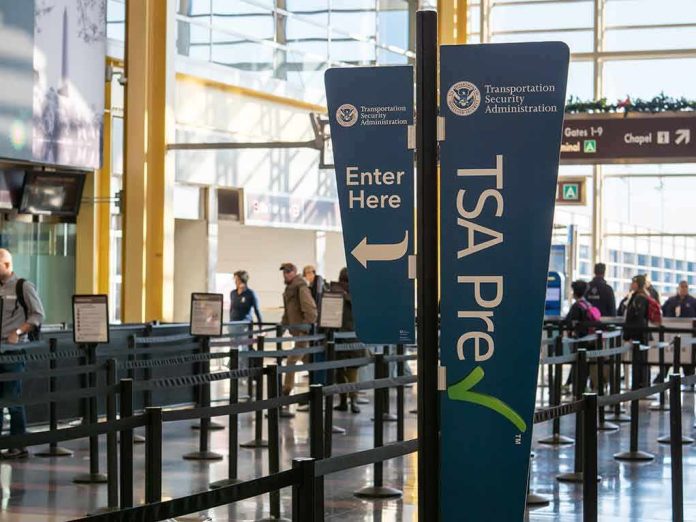
Thanksgiving volumes make that tempo urgent. The Sunday after Thanksgiving has set Transportation Security Administration screening records in past years, topping even peak summer days. Crowds can hide both petty rule-breakers and determined saboteurs. When the system broadcasts the right cues at the right time, the many eyes across gates, ramps, and cockpits turn into a network. That network is how you spot the outlier who does not fit.
Straight Talk For Travelers And Operators
Travelers should expect the basics: show your ID, pack smart, and be patient. If you see a badge where it should not be, a uniform that looks off, or someone probing for inside info, say something. That is not paranoia. That is common sense and good citizenship when the system asks for help. Authorities have not raised a formal threat level here; they asked partners to stay sharp while people fly for family, faith, and football.
Operators should tune the signal, not the noise. Brief crews on the specific red flags cited in the advisory. Lock down credentials and report losses fast. Test escalation paths so a ramp worker’s concern reaches the right desk within minutes, not hours. Document and share any anomalies that match the advisory’s cues. This is how freedom and security walk together: firm standards, quick action, and respect for the millions who travel without fuss.
Sources:
repubblica.it, yahoo.com, jumpseataerospacenews.com, travelpulse.com, tsa.gov