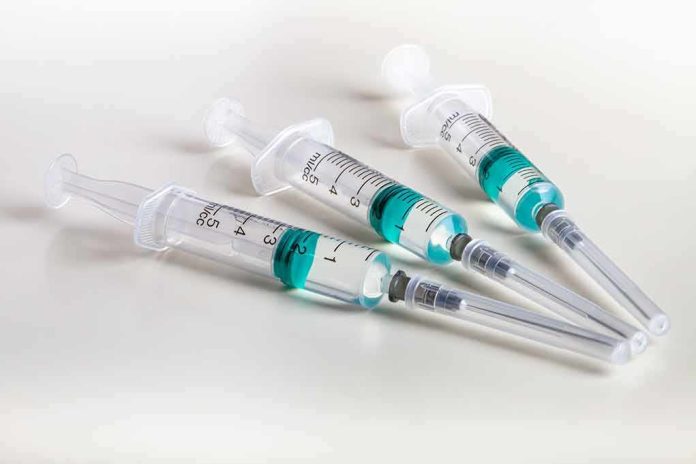
World Health Organization experts opened the door to HPV shots for girls as young as four, but only if it gets more girls protected sooner.
Story Snapshot
- WHO’s expert group framed ages 4–8 as a coverage option, not the new main target.
- The formal primary target remains girls aged 9–14, before sexual debut.
- Countries may shift earlier if it boosts uptake and dose completion.
- Global coverage remains uneven despite simpler, one-dose schedules.
What WHO’s Experts Actually Said
The World Health Organization’s Strategic Advisory Group of Experts on Immunization advised that countries may consider starting human papillomavirus vaccination at ages 4–8 if that move increases uptake and coverage. The group did not replace the core target. WHO still identifies girls aged 9–14 as the main focus, with the goal to vaccinate before sexual debut and prevent cervical cancer. The earlier window is a program tool, not a shift in the biology of protection, according to reporting of the group’s advice.
WHO’s broader update already simplified how programs deliver the vaccine. In 2022, WHO endorsed one-dose or two-dose schedules for girls aged 9–14, aiming to make protection easier to complete and cheaper to run. The agency tied this to a clear purpose: protect more girls by fitting the vaccine into real-world health systems that often miss adolescents. That same logic now underpins the earlier-age option when it can solve a coverage bottleneck.
Why Ages 4–8 Entered the Conversation
Many countries struggle to reach preteens. Routine childhood visits are common before grade school, then the contact drops. School-based programs face closures, staffing gaps, or consent hurdles. When a system cannot reach 9–14-year-olds, the program loses girls who remain unprotected into adulthood. WHO’s experts appear to be saying: move the shot to the age band you can reach, as long as it means more girls get protected on time. That is a delivery fix, not a new biological claim.
The policy context shows why. Global coverage for at least one human papillomavirus dose rose from 20 percent in 2022 to 27 percent in 2023, which is progress but still far from universal. WHO’s position materials make prevention before sexual debut the nonnegotiable aim. The new schedule flexibility helps programs thread that needle. If a country can lock in strong coverage at school entry, rather than chase middle-schoolers later, the earlier start can be the smarter path.
What Remains the Same: The Core Target and Goal
WHO’s formal materials still center girls aged 9–14 as the primary target group, and they place the vaccine inside a broader cervical cancer plan that includes screening and treatment. The aim is straightforward: stop infections that cause most cervical cancers by immunizing before exposure. The one-dose schedule for 9–14-year-olds gives programs a simpler path to hit that mark. The earlier 4–8 option is conditional and tied to improved program reach, not to a claim of superior individual protection.
That distinction matters for public trust. Parents deserve plain talk: the vaccine works best when given before exposure. The main plan remains the 9–14 band. If a country cannot reliably reach that group, it should use the earlier ages to get the job done. That aligns with conservative common sense: set the goal, then choose the tactic that delivers results for families and taxpayers.
How Countries Might Decide
Health leaders will likely map their contact points with children, review completion rates, and test whether school-entry visits can close gaps. They may track dose delivery by cohort and compare performance between starting at ages 4–8 versus ages 9–14. The winning plan is the one that protects more girls before sexual debut, with fewer missed appointments and fewer dropouts. WHO’s evidence-to-recommendations work on schedules set the stage for this kind of flexible, efficient design.
CMCA has launched its latest campaign – Men Get It.
The message is men can get HPV – and can get vaccinated against it.
The campaign aims to increase awareness of HPV vaccination among gay, bisexual and other men who have sex with men.
Find out more at https://t.co/8PoZ1CGTR4 pic.twitter.com/ha0Ru4IaKq— Cheshire and Merseyside Cancer Alliance (@CMCaAlliance) October 13, 2026
Clear messaging will matter. Headlines that say “shots for four-year-olds” risk missing the point. The real story is program design. WHO’s expert group gave countries permission to meet families where they already go, when kids are easy to reach. The main target stays the same, the cancer-prevention goal stays the same, and the measure of success stays the same: more girls protected on time. That is a sober, practical path to fewer funerals and stronger families.