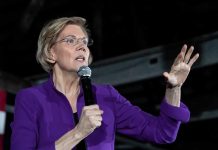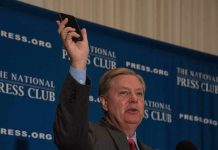
Michigan Senate candidate Abdul El-Sayed once suggested rewriting the Second Amendment to guarantee health care instead of the right to bear arms.
Quick Take
- A resurfaced April 2023 video shows El-Sayed asking what would happen if the Constitution swapped gun rights for a right to health care.
- Another clip from May 2022 has him claiming the Second Amendment protects only militias, not individual gun owners.
- Reporters found more than 100 of his YouTube videos were made private before he launched his Senate campaign.
- His campaign says he respects the Second Amendment now and calls the old clips outdated and cherry-picked.
The Video That Started It All
CNN’s KFile unit dug up a YouTube video from April 6, 2023, showing El-Sayed floating a constitutional swap. “What if we tweaked the Constitution, amended the amendment, and instead of the right to bear arms, we change it to the right to have health care?” he asked. Fox News, the New York Post, the Daily Wire, and The Federalist all reported the identical quote, which suggests it wasn’t taken out of context by just one outlet.
El-Sayed didn’t stop at hypotheticals. In that same video, he tied his health care pitch directly to gun violence, saying the change would mean “fewer people dying by gun and more people living because they have health care”. That’s not a stray comment about budget priorities. That’s a direct argument that a constitutional right Americans have held for over two centuries should be traded away for a federal health program.
A Second Video Raises the Stakes
A separate clip from May 26, 2022, adds more weight to the pattern. Fox News Digital reported El-Sayed said the Second Amendment “does not apply to individual Americans” and only covers “a regulated militia”. That claim runs straight into decades of Supreme Court precedent affirming an individual right to keep and bear arms. It’s a legal theory the courts have already rejected, yet he apparently pushed it on his own platform.
Why So Many Videos Went Private
Here’s where the story gets interesting. CNN’s investigation found more than 100 videos on El-Sayed’s YouTube channel had been switched to private before he ever announced his Senate run. That’s not a couple of embarrassing clips quietly deleted. That’s a large-scale cleanup of a public record, right before voters needed to see it most. The New York Times reported similar findings, noting old posts defending “defund the police” and criticizing Fourth of July fireworks also vanished around the same time.
The Campaign’s Response
El-Sayed’s team didn’t deny the videos exist. Instead, spokeswoman Roxie Richner told Fox News Digital, “Abdul respects the Second Amendment, and also believes that access to healthcare is a right”. The campaign also told CNN the clips were “cherry-picked comments from old podcasts” that “don’t reflect his beliefs today”. They pointed to a 2025 post where he told followers to enjoy fireworks, apparently as proof his views have softened.
That defense leaves a real gap. Saying old comments “don’t reflect current beliefs” isn’t the same as saying “I was wrong” or explaining what changed his mind. Voters are left guessing whether his position shifted out of genuine reconsideration or simply because he’s now running in a competitive statewide race. Michigan gun owners deserve a clearer answer than a spokesperson’s talking point.
What This Says About Campaign Video Scrubbing
This case fits a familiar pattern in modern politics. Candidates build years of casual video content before running for office, then quietly wipe it clean once a campaign begins. Platforms make that easy, since flipping a video to private takes seconds and leaves little public trace. That dynamic means voters increasingly depend on journalists to dig up what a candidate would rather they never see.
New Audio Shows Abdul El-Sayed Hates the Second Amendment https://t.co/08xTZJ4dzB
— Woodrow Williams (@Woodrow17165268) August 18, 2026
None of this means every word from an old podcast defines a candidate forever. People do change their minds. But when the issue is a constitutional right as foundational as the Second Amendment, and the candidate’s own words describe scrapping it, voters have every reason to demand more than a one-line denial. Michigan voters will decide in November whether “old beliefs” is a good enough explanation.
Sources:
townhall.com, youtube.com, facebook.com, nytimes.com