Doctors amputated both of Australian lawmaker Helen Haines’s legs after she was struck outside her electorate office in Wangaratta, and her husband says she is alive and stable.
Story Snapshot
- Haines was hit near her Wangaratta office by a Toyota LandCruiser on October 19 local time.
- Her left leg was removed Monday; surgeons later amputated her right leg as well.
- She was airlifted to Melbourne and underwent emergency surgery at The Alfred hospital.
- Her husband publicly confirmed both amputations and her current stable condition.
What happened outside the electorate office
Police and media reports say a Toyota LandCruiser struck Helen Haines near her Wangaratta electorate office at about 3:35 p.m. local time. Outlets described the vehicle as a white Toyota sport-utility vehicle at or near the scene outside her office. Responders treated Haines in critical condition. Crews then moved her by air to Melbourne for trauma care. The early accounts focused on the impact and rapid transfer, which likely saved her life despite catastrophic limb injuries.
Her husband, Phil Haines, spoke from The Alfred hospital on October 21. He said surgeons amputated her left leg on Monday. He added that the team had hoped to save her right leg but later removed it to protect her life and health. He underscored that her heart and mind were strong, and that she was stable. Those remarks gave the first clear medical timeline and set the public record on her condition.
Condition, care, and what doctors faced
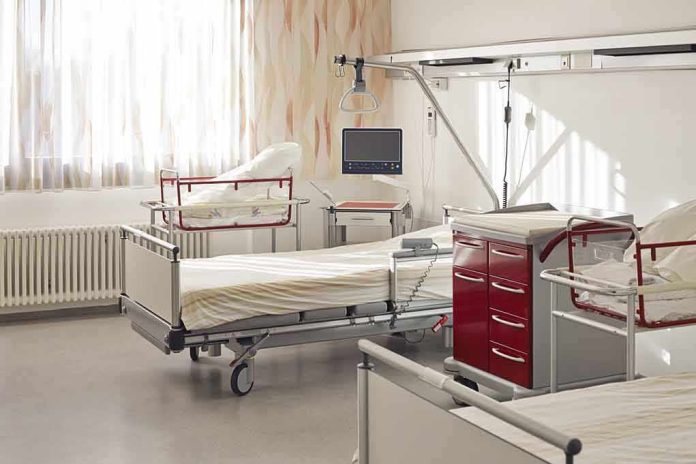
Trauma teams often make hard choices fast when crush injuries shatter limbs and vessels. Reports state Haines arrived in critical condition and went straight into emergency care in Melbourne. The Alfred hospital commonly handles such complex cases in Victoria. Staged operations are standard in severe trauma. Surgeons focus first on life, then on limb. When blood flow stays unsafe or infection risks rise, a second amputation can be the safest course, as happened here according to her family.
Air medical transfer buys time in these cases. Quick flight, blood products, and vascular control can prevent organ failure. The timeline cited by her husband fits that pattern. The left leg came off first, when risk was greatest. The right leg followed after a closer look at tissue damage and blood supply. That sequence is common in high-energy vehicle impacts. The outcome is tragic, yet the survival is a credit to rapid response and clear surgical decision-making.
The driver, the law, and public safety
Coverage across major outlets used terms like car ramming and alleged deliberate attack when describing the event. Courts will sort intent. Police will brief the facts they can prove. Responsible reporting keeps those lanes clear: describe what is known, mark what is alleged, and let evidence lead. The public deserves that order. Haines’s family has asked for space while she recovers. That request should guide the tone of debate and the pace of hot takes.
Australian MP Helen Haines has had both legs amputated after being repeatedly struck by an SUV outside her electorate office, her husband confirmed. The 65-year-old independent is stable; a 43-year-old man is charged. Authorities privately call it likely opportunistic.…
— The Raw Wire 🚨 (@TheRawWire) October 21, 2026
Threats and abuse aimed at public officials have risen in Australia. Government and media tallies show reports of harassment and threatening behavior climbed to 1,067 incidents in 2025–26, up from the prior year. That backdrop does not decide motive in this case, but it does explain why many leaders now call for firmer office security, faster charges for credible threats, and better mental health triage for volatile constituents before harm occurs.
Why this matters beyond one street
Haines is known for rural health advocacy and steady, independent politics. Her loss will test how a community rallies and how a system adapts. Parliament can harden entry points and train staff. Police can act faster on patterns of menacing contact. Courts can set clearer penalties for stalking and violence. Families can still access constituency help without turning local offices into bunkers. Balance is hard. It is also the job in a free society.
What to watch next
Expect formal police updates on the charge sheet and timeline. Watch for hospital updates on her rehabilitation path and the support she will receive. Follow the Speaker’s office for any changes to member security. Look for bipartisan signals that violence stays out of politics, full stop. When a public servant survives the worst day, the rest of us have one task: stand up the guardrails that keep the next bad day from happening at all.
Sources:
bbc.com, smh.com.au, sbs.com.au, rnz.co.nz, edition.cnn.com, dw.com