A routine rush-hour lane change on a Milwaukee interstate turned into the moment Tony Romo snapped, “You think I’m drunk just because I came from a golf course?”
Story Snapshot
- Deputies stopped Tony Romo on I-43 near downtown Milwaukee for unsafe passing and lane violations.
- Bodycam video shows Romo insisting he had “zero” drinks and demanding to call his lawyer.
- Officers said they saw “red, glassy” eyes, smelled alcohol, and reported poor field sobriety performance.
- Romo was arrested for first-offense operating while intoxicated and cited for refusing a post-arrest breath test.
From golf course to interstate stop in minutes
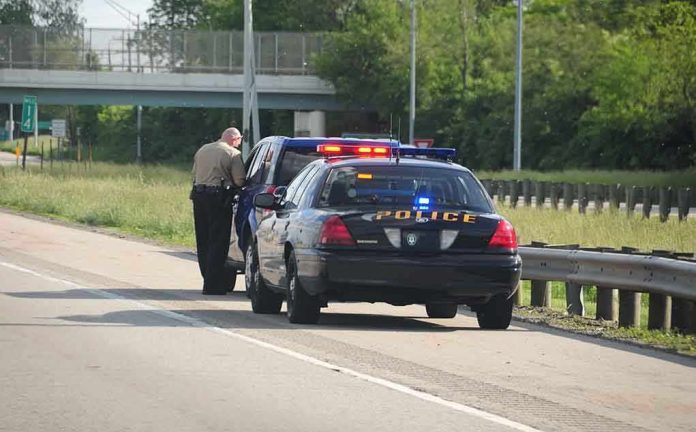
Deputy R. Kaur from the Milwaukee County Sheriff’s Office pulled Tony Romo over around 6 p.m. on July 23 while he drove southbound on Interstate 43 near downtown Milwaukee. The arrest report and bodycam show the deputy telling Romo she stopped him for unsafe passing on the right and cutting across a marked gore area near the Marquette Interchange. Romo sat behind the wheel of a Jeep and told the deputy he had just left a golf tournament and was heading to visit his grandparents.
Romo quickly tried to shape the encounter. He told the deputy he had consumed “zero” alcoholic drinks and seemed surprised he had been pulled over at all. He repeated that he was on his way to see his grandma and grandpa and stressed he had come straight from the golf course. That detail became a flash point. When the deputy moved the stop toward a drunken driving investigation, Romo shot back with the line that now headlines the video: “Because I’m coming from a golf course, you think I’m drunk?”
Signs of impairment and the decision to test
Deputies later said the stop shifted from traffic to impaired driving because of what they saw and smelled at the window. The arresting officer reported that Romo’s eyes were red and glassy and that she detected the odor of alcohol coming from him during the roadside conversation. Those details, combined with the initial driving behavior, became the stated basis for detaining him for an operating while intoxicated investigation and moving him to a safer spot to conduct standardized field sobriety tests.
The bodycam clips show deputies repeatedly asking Romo to step out of his Jeep to perform the tests. Romo did not immediately comply. He pressed his right to contact a lawyer first, telling the deputy he wanted to call his attorney before leaving the vehicle. The deputy told him no and ordered him to get out of the car. After a tense back-and-forth, Romo finally exited, began recording the encounter on his phone, and prepared for roadside testing under the deputies’ direction.
Field sobriety struggle and a hard “no” to the breath test
Once outside the vehicle, the bodycam footage shows Romo going through the standard battery of field sobriety tests that Wisconsin officers use in drunk driving cases. Clips shared by local stations and national outlets show him having trouble with parts of the walk-and-turn and other coordination-based tasks; one segment highlights him failing to count properly during the test instructions. The arrest report and later media summaries describe his overall performance on the standardized tests as “poor,” which deputies say confirmed their suspicion of impairment.
Bodycam Footage Shows Tony Romo Being Arrested for Alleged OWI and Refusing Breathalyzer Test https://t.co/w9zMFY7jSS
— People (@people) July 29, 2026
The investigation did not end at the roadside. After deputies detained Romo and transported him for further evaluation, the footage and reporting show another key choice: he refused to take a breath test. On camera, Romo explains why. He tells the officer he has “heard from all the lawyers don’t ever do that,” then declines the chemical test. Under Wisconsin law, that refusal triggered a separate citation for refusing a test for intoxication after arrest, on top of the operating while intoxicated allegation.
Legal standards, public reaction, and what the footage really shows
Court documents and local coverage confirm that Romo was booked and later released on suspicion of first-offense operating while intoxicated, Wisconsin’s version of a driving under the influence charge. He also received the civil citation for test refusal, a penalty that can carry license consequences even separate from the criminal case. None of the released material includes a blood-alcohol number, so the public is mostly judging the stop and arrest through the lens of the bodycam and deputies’ written observations, not lab results.
That missing lab number is why this case sits in a familiar gray zone that many American conservatives notice in modern policing. On one hand, the deputies had a clear traffic violation, claimed physical signs of impairment, and recorded field tests that do not look good for Romo. On the other hand, Romo stayed calm, insisted he had not been drinking, wanted legal counsel, and refused a breath test for reasons many defense lawyers would endorse. For viewers who value both road safety and limited government power, the footage shows why probable cause debates rarely fit into a simple “he was obviously drunk” talking point.
Sources:
mediaite.com, tmj4.com, tmz.com, mediaconfidential.blogspot.com, youtube.com, foxnews.com, news.meaww.com, cbsnews.com, facebook.com, abcnews4.com, instagram.com