A vehicle drove into the crowd at Berlin’s Pride event, killing one person and injuring at least 16 others, while police launched a manhunt for the suspect.
Quick Take
- Police said the vehicle strike at Berlin’s Christopher Street Day parade was deliberate and not a simple accident.
- Berlin officers identified a suspect and said he was known to police as part of the city’s Islamist scene.
- The suspect had not been arrested in the early reports, and police said the motive was still unconfirmed.
- Early coverage varied on key details such as the vehicle type and the exact number of injured people.
What Happened in Berlin
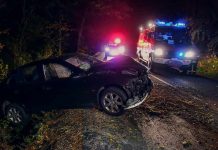
Berlin’s Pride celebration turned into a crime scene when a vehicle rammed into spectators near the Christopher Street Day parade route. One person died and at least 16 others were hurt, according to early reporting from multiple outlets. The driver fled after the crash, and police began a citywide search as organizers shut down the event and cleared the area.
Police said the incident was deliberate, which put it in a different category from a routine traffic crash. That matters because investigators can often confirm the act itself faster than they can confirm the reason behind it. A vehicle can be used in a planned attack for many reasons, but motive still has to be proved with evidence, not guessed from the first headlines.
The Suspect and the Islamist Link
Police spokesperson Florian Nath said officers had identified a suspected perpetrator and described him as known to police as part of the local Islamist scene. AP and other outlets reported that police also said he had ties to Islamic groups in Berlin. That statement gave reporters a concrete official lead, but it did not, by itself, prove a completed terror case or a finished motive.
That distinction matters more than many people realize. A police link to Islamist circles can point investigators toward networks, contacts, and past surveillance. It does not automatically show that the suspect acted on ideology that night. The first reports also said police had no confirmed motive, which leaves room for the later evidence to sharpen or change the picture.
Why the First Hours Were So Messy
The first wave of reporting showed the usual chaos that follows a fast-moving attack. Some outlets described a van, others a car or vehicle. Injury totals also shifted, with reports of 15, 16, or 17 wounded people. One report said the driver fled on foot, while others said the suspect was still at large. Those differences show how unstable the early record was.
German police hunt suspect in Berlin Pride van-ramming attack that left 1 dead and 16 injured https://t.co/nKf5nnlQwJ
— CTV National News (@CTVNationalNews) July 26, 2026
That matters because public judgment often runs ahead of proof. In a case like this, the broad outline can be right while important details remain unsettled. The attack happened in a high-profile Pride setting near Berlin’s Tiergarten and Brandenburg Gate, which made the event instantly politically charged. But the available material still separated the deliberate vehicle strike from any final judgment about motive.
What Still Needed Proof
The strongest confirmed facts in the record were simple: a vehicle entered a crowd, people were killed and injured, and police were searching for a suspect. The less secure part was the ideological label. Early police comments pointed toward Islamist circles, but the same reports said motive was unknown and the suspect was not yet in custody. That is why careful readers should separate lead from conclusion.
The next evidence would have to come from the parts of an investigation that actually settle intent. That includes the suspect’s name, arrest status, charging papers, witness statements, vehicle reconstruction, and digital evidence. Until those details are released, the safest reading is narrow: a deliberate attack happened, police had an Islamist-scene lead, and the final motive remained under investigation.
Sources:
facebook.com, youtube.com, en.wikipedia.org, thesun.co.uk, malaymail.com, rt.com, kob.com, telegraph.co.uk