Nine people, including the suspected gunman, were found dead at a single Erie home, and police say the threat ended before officers arrived.
Story Snapshot
- Police found nine dead at 722 Perry Street; the suspected shooter also died.
- Officers responded within minutes after a two-shot detection alert at 4:53 p.m..
- City officials said all deaths happened before police reached the home.
- Pennsylvania’s governor affirmed the nine-fatality report and offered support.
What Happened On Perry Street
Erie police reached the 700 block of Perry Street at about 4:53 p.m. on October 9 after a system detected two gunshots and alerted dispatchers. Officers entered 722 Perry Street and found a gruesome scene with multiple victims. Police Chief Rick Lorah told reporters the suspected shooter, described as a 45-year-old man, died from what appeared to be a self-inflicted gunshot wound. Officials and multiple outlets reported nine total deaths, which includes the suspected shooter.
City officials said investigators believe every victim died before police arrived. That point matters to a shaken city that feared a roaming attacker. The police chief said there was no ongoing threat to the public once officers secured the home. The location details, the timeline, and the initial findings came from a formal briefing the next day, with the police chief laying out the chain of response and confirming the single-scene focus.
How Officials Counted The Dead
Newsrooms often report numbers in two ways after shootings. Some count only victims. Others count every person who died, including the shooter. That is why you may see “eight victims” alongside “nine dead” for the same event. In Erie, the most consistent official description puts the total at nine, with eight victims plus the suspected shooter. That framing matches common practice in law enforcement briefings and in national wires that prioritize total fatalities.
Governor Josh Shapiro echoed that total in a public statement. He called the event a tragic mass shooting and said nine Pennsylvanians were killed. His office also said the state offered help to Erie as investigators processed the scene and supported families. State-level adoption of the nine-fatality account signaled alignment with the city’s working figure. That consistency helped calm confusion as locals processed shocking details that included the deaths of children, noted in several reports.
What Police Say About Risk And Motive
Police leaders stressed that the threat had ended by the time officers entered the home. They said evidence pointed to a single suspected shooter who died inside, removing the risk of continued attacks in the neighborhood. That message tracks with conservative common sense: secure the scene, confirm there is no second attacker, and tell the public fast. The department’s timeline, tied to a two-shot detection alert and rapid arrival, shows a force trying to move quickly under pressure.
Investigators had not released a motive and had not named the suspected shooter at the time of the briefings. That is standard when next-of-kin notices, autopsies, and ballistics take priority over public release. Early reports described an “apparent” self-inflicted wound pending final forensic work, which is the cautious language agencies use until the coroner closes the file. The lack of a motive can frustrate a grieving city, but it also protects the integrity of the case as facts harden.
Why The Timeline Details Matter
The timeline anchors trust. The alert time, the address, the number found inside—these are fixed points that help citizens judge their safety and their leaders’ response. Erie officials offered those specifics right away: 4:53 p.m. alert, officers on scene within minutes, single residence, no wider manhunt. The city then added a key piece: all deaths happened before police arrived, which supports the no-threat message and focuses the investigation on what led up to the violence, not on an at-large suspect.
Shooting leaves 9 dead including suspect in Erie, Pennsylvania, police say https://t.co/FrCHtwu6v1
— ABC11 EyewitnessNews (@ABC11_WTVD) October 11, 2026
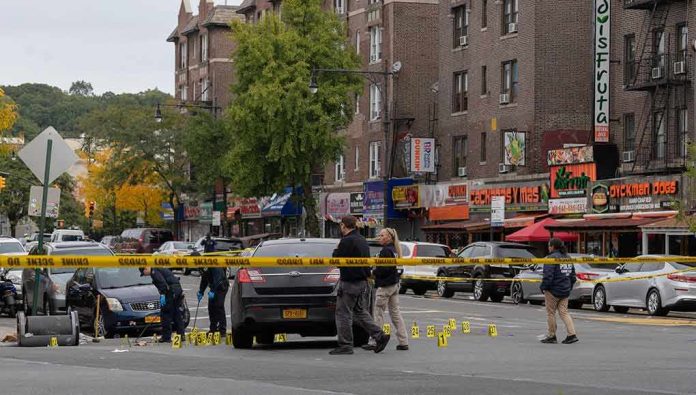
Photojournalists and neighbors gathered as crime-scene tape went up on Perry Street. Images from the scene captured the scale of the response, with officers, detectives, and medical examiners working into the night. Those pictures do more than tell a sad story. They reinforce the point that this was one location, one cascade of violence, and one immediate response. The city’s job now is clear and sober: identify, verify, and explain, so families can bury their loved ones and the public can move forward.