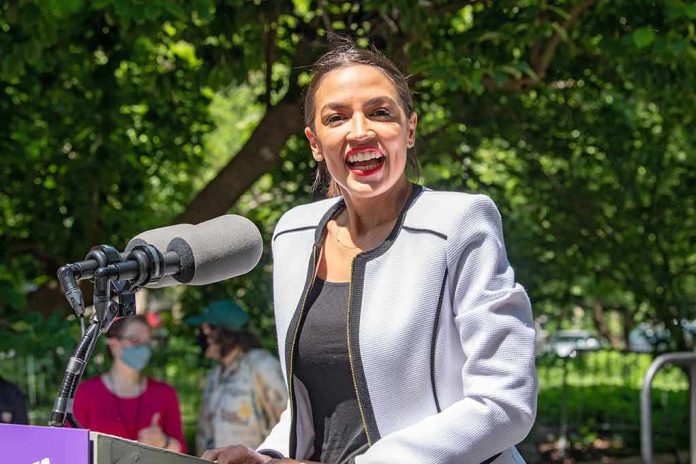
Rep. Alexandria Ocasio-Cortez’s appearance at a pro-LGBT Catholic venue is feeding a bigger fight over whether churches are welcoming people or quietly taking sides.
Story Snapshot
- Ocasio-Cortez has framed support for transgender and LGBT people as a moral duty tied to faith.
- Progressive Catholic commentators praised her focus on dignity and justice as compatible with Catholic values.
- Conservative Catholic writers argued her policy stances conflict with Church teaching and threaten religious liberty.
- Church rules warn against any actions that look like endorsing a candidate or party, creating a gray zone for events.
What Ocasio-Cortez Said And Why It Resonates
Ocasio-Cortez has linked care for LGBT and transgender people to faith and basic dignity. In past remarks, she argued that some in the United States misuse scripture to justify bias, and that denying medical care based on identity is not holy. Supporters on the Catholic left say this language fits with core themes of human dignity and respect. They point to her background and public advocacy as signs that faith and inclusion can align.
These themes land in a wider church debate about welcome and pastoral care. Pope Francis backed civil unions in 2020 and later allowed blessings for same-sex couples, while stopping short of changing doctrine on marriage. That mix of outreach and limits has left many Catholics feeling “conditional belonging,” where messages of love meet firm rules on sex and identity. Ocasio-Cortez’s framing speaks to those who want the welcome to go further, especially for transgender people.
Why The Venue Matters And Where The Lines Are
Hosting a high-profile politician in a parish setting can look like an endorsement, even when it is not. Catholic guidance says churches and related groups must avoid any move that could be read as backing or opposing a party or candidate. Policies urge parishes to avoid partisan events and to treat invitations fairly, especially during campaigns. These rules try to protect religious missions and tax status while allowing civic talks and community dialogue.
That is the gray zone here. Without a parish bulletin, clergy statement, or program, it is hard to know the intent of the host. Was it a community forum, a pastoral outreach event, or a soft signal of support? The record for this appearance lacks primary materials like a transcript or an official parish note. That gap invites both sides to claim the event as proof of their view, which often happens in church and politics disputes.
The Clash Over Doctrine, Policy, And Liberty
Conservative Catholic voices argue Ocasio-Cortez’s platform conflicts with Church teaching on life, marriage, and sex. They warn that laws adding gender identity and sexual orientation to civil-rights rules can squeeze religious liberty for schools, hospitals, and charities. They frame her rhetoric on inclusion as sidelining believers who hold to traditional doctrine. They see the venue choice as blurring lines between pastoral care and political endorsement.
Progressive Catholic writers counter that her focus on dignity, justice, and respect reflects key parts of Catholic social teaching. They argue that honoring the person and guarding against harm do not require a change in faith to make space for people at the margins. They see her voice as one example of how Catholic values can meet modern debates on identity and care, even amid ongoing doctrinal limits.
What This Says About Trust In Institutions
Americans across the spectrum doubt that powerful institutions act for the common good. This episode taps that worry. Some see a church platform as elites picking winners in culture wars. Others see gatekeepers using “neutral rules” to keep certain people out. Clear, public guardrails can help: post event purposes, avoid campaign settings, share full transcripts, and invite broad community input. Concrete steps reduce spin and let citizens judge facts for themselves.
What To Watch Next
Watch for the parish or diocese to clarify the event’s purpose and boundaries. Look for a posted program, clergy remarks, or a full video. Track whether future church events offer similar access to speakers with different views. Note any legal or tax guidance updates for nonprofits that host public figures. These signals will tell us if faith spaces can host tough talks without tilting into backdoor endorsements or silencing needed voices.
Sources:
ncregister.com, ukiahdailyjournal.com, catholicstand.com, catholicworldreport.com, ncronline.org, beliefnet.com