A leaked intelligence memo says Western veterans trained Russians in Europe—even after the Ukraine invasion—and the denials are now sprinting to catch up with the specifics.
Story Snapshot
- Leaked assessment claims Western veterans taught Russians advanced combat skills in Europe.
- Alfa-Metal, the named Bulgarian center, flatly denies training Russians since 2020 and any war-related work.
- Reports cite training in sniper and close-quarters combat and mention U.S. and British veteran backgrounds.
- The public record shows a familiar pattern: leaked intel vs. direct corporate denial, with evidence under wraps.
What the leaked memo actually claims
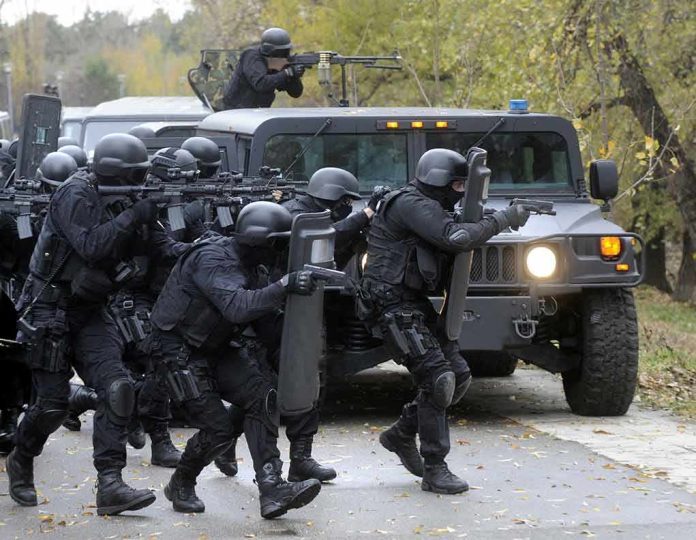
The leaked assessment, reported by The Telegraph and echoed by others, points to a combat camp in Mejdeni, northern Bulgaria, run by Alfa-Metal. It says Western veterans—including former British Special Air Service, U.S. Navy special operators, and U.S. police trainers—taught Russian citizens and even active-duty personnel at sites in Europe. The memo describes advanced close-quarters combat and sniper-style courses, and asserts this training continued after Russia invaded Ukraine in 2022. The claim leans on “high confidence” language rather than named trainers or dated rosters.
The reported network stretches beyond Bulgaria. Coverage references Serbia as part of the alleged training footprint, which would widen the geography and complicate oversight. The Alfa-Metal program reportedly marketed special forces-style instruction that matches the memo’s profile. One listed instructor on the company’s site was described as a U.S. Army Special Operations Command veteran, which, if accurate at the time, would align with the kind of expertise the memo describes. But that web material is not preserved in the provided record.
What Alfa-Metal says, on the record
Alfa-Metal does not hedge; it denies the core charge outright. The company states no Russian citizens have trained at its center since the start of the COVID-19 pandemic in 2020. It also says it has never trained Russian military personnel or anyone for the purpose of fighting in Ukraine. It calls the allegations false, including claims about former Special Air Service instructors on staff, and says any website content suggesting otherwise was outdated or misread. The center adds it operates under Bulgarian law and rejects reliance on anonymous sourcing.
One detail muddies the water without settling it. Press accounts say Alfa-Metal first denied any tie to a Russian firm, Alfa Region, then later acknowledged historical professional contacts after reporters pointed to a partnership page. That about-face does not prove the training claims. It does, however, show the company’s public story shifted under scrutiny. That makes the firm’s blanket denials harder to accept at face value, though it still leaves the core training allegation unproven in public.
How to read “high confidence” without losing common sense
Intelligence confidence levels are judgments, not court evidence. “High confidence” can be right, but it is not the same as receipts. The memo, as reported, names a location, a course profile, and a timeline that extends post-invasion. Those specifics give the claim weight. Still, the public cannot see the sourcing. That means the memo’s strength rests on trust in the intelligence process and the outlets that saw it, not on documents you can print and underline at home.
Conservative instincts apply here: ask who benefits, follow the money, and demand transparency. If Western veterans taught Russians skills that could be used against a U.S. partner, that offends basic loyalty and prudence. If the claim is wrong, then a private business took a reputational hit based on a leak it cannot fairly rebut without the evidence it cannot see. Both possibilities argue for sunlight. Subpoena the rosters, bank transfers, travel logs, and course manifests. Verify, then judge.
What would settle this—fast
Three steps could close the gap. First, release the memo’s annexes that justify the confidence call, even in redacted form. Second, preserve and publish dated archives of Alfa-Metal’s instructor pages, course catalogs, and client policies from 2020 onward. Third, secure named testimony from staff and trainees during the key windows, plus payment and travel records for Western instructors linked to Bulgaria or Serbia. These are normal due-diligence moves in any serious probe. They do not require guesswork—only will.
Bottom line for readers who hate loose ends
The memo-driven claim is specific and serious. Alfa-Metal’s denial is categorical and official. The public record between them is thin but not empty. The most practical view today: treat the allegation as plausible but not proven in public, and press for the kind of evidence that would make this black-and-white. A free society does not let leaks do the job of law. It checks, confirms, and then acts—swiftly, and in the open.
Sources:
thenightly.com.au, alfa-metal.com, telegraph.co.uk, bild.de, clashreport.com