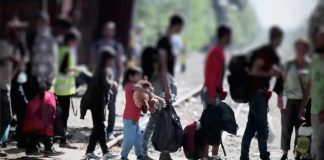
A relative of Afghans who once risked their lives helping American troops has been deported by the Trump administration to one of the most dangerous countries on Earth.
Story Snapshot
- The Trump administration sent a group of migrants, including people from Afghanistan and Iran, to the Central African Republic on a deportation flight.
- The U.S. State Department’s own travel warning tells Americans not to enter the Central African Republic “for any reason.”
- The administration says the deportations are lawful and that everyone removed received full due process.
- Rights groups call the practice a violation of international protections meant to stop people from being sent into danger.
What Happened On The Flight To Bangui
A U.S. official confirmed to CBS News that roughly 20 migrants from Afghanistan, Iran, and other countries were flown to the Central African Republic in June 2026. Among those swept into the broader wave of removals were relatives connected to Afghans who had aided the U.S. military during the war. They landed in a nation many had never set foot in and had no family ties to whatsoever.
The Central African Republic government confirmed it would accept deportees under an arrangement with Washington, according to Reuters, which reported the country agreed to take migrants “within the framework of agreements with the U.S.”. That deal turned a nation gripped by civil conflict into a landing pad for people the United States no longer wanted to keep or could not send home.
Why The Destination Itself Is The Story
The State Department’s own travel advisory, last updated in January 2026, could not be blunter. It tells U.S. citizens: “Do not travel to Central African Republic for any reason,” citing unrest, crime, kidnapping, health dangers, and terrorism. That is the government’s highest warning level, reserved for places it considers too dangerous for its own people to visit.
Large parts of the country sit outside government control, run instead by armed groups that kidnap, injure, and kill civilians, according to security reporting tracked by the Overseas Security Advisory Council. Russian mercenaries operate in the region as well, adding another layer of instability. Sending people with no local ties, language, or support system into that environment is not a routine relocation. It is a gamble with human lives.
The Administration Says The Law Is On Its Side
Trump officials have defended the practice in blunt terms. A U.S. official told CBS News the administration is “utilizing all lawful options to carry out the largest deportation operation in history, just as President Trump promised,” adding that “anyone who has been deported received full due process”. That is a serious claim, and if true, it matters. Due process is not a courtesy; it is the constitutional floor beneath every immigration case.
Third-country removals themselves are not new or inherently illegal. Immigration law allows the government to send someone to a country other than their homeland once a deportation order is final, according to a legal fact sheet from the American Immigration Council. The harder question is whether each person facing removal to a place like the Central African Republic got individual notice and a real chance to argue that sending them there would put their life at risk.
Advocates Say The Danger Cannot Be Waved Away
Amnesty International has called the broader third-country removal policy unlawful, arguing it pushes people into countries where they face real risk of human rights abuses. A lawsuit was also filed with the African Commission on Human and Peoples’ Rights over the practice, according to France24’s reporting on the flight’s arrival in Bangui. Critics argue that a country under a “do not travel” order for Americans cannot simultaneously be safe enough for deportees with no ties there.
For families of Afghans who once stood beside American forces, the outcome lands with particular weight. People connected to wartime allies who trusted promises of safety are instead ending up in a nation the U.S. government itself will not let its own citizens enter. Lawful process and human safety should not be treated as competing goals. A conservative respect for the rule of law also demands that removals not become a shortcut around basic protections for people who once helped this country.
Sources:
cbsnews.com, thirdcountrydeportationwatch.org, osac.gov, gov.uk