When the city’s first Muslim mayor breaks bread with inmates during Ramadan, the collision between faith, reform, and public safety reveals a deeper fracture in how America debates mercy versus accountability.
Quick Take
- NYC Mayor Zohran Mamdani visited Rikers Island on March 20, 2026, to observe iftar (breaking of the Ramadan fast) with Muslim detainees, marking an unprecedented mayoral gesture toward inmates during the holy month.
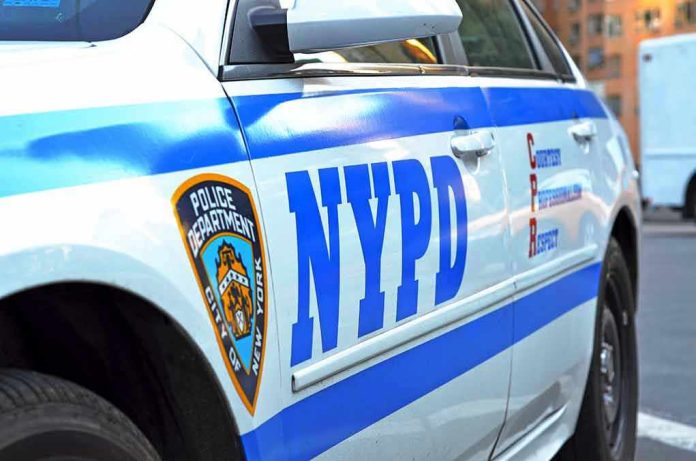
- The visit sparked intense backlash from NYPD veterans and conservative commentators who characterized it as pandering to criminals while ignoring crime victims and public safety concerns.
- Mamdani framed the event as affirming dignity and community within a challenging environment, positioning it as part of his broader reform agenda including Rikers closure and public safety restructuring.
- The controversy exposes a fundamental divide between criminal justice reform advocates and law enforcement traditionalists over how elected officials should balance rehabilitation with accountability.
- Detainees expressed gratitude for the recognition, while critics questioned whether inmates—some facing serious charges—deserved mayoral attention amid rising crime concerns.
A Historic First Stirs Controversy
Mayor Mamdani’s decision to share Ramadan’s most sacred meal with Rikers detainees was unprecedented for a sitting New York City mayor. The March 20 event included prayer, Quranic lessons, and conversation with Muslim inmates aged in their twenties through fifties. Department of Correction Commissioner Stanley Richards and Councilman Yusef Salaam joined the mayor. Mamdani described it as “one of the most meaningful evenings” of his tenure, emphasizing themes of shared dignity. The controlled environment—a secured room with prayer mats and meals—reflected both security protocols and ceremonial reverence for the holy occasion.
The Backlash Intensifies Rapidly
Within hours of initial media coverage on March 21, criticism erupted across social media and conservative outlets. A veteran NYPD officer with over twenty years of service called the visit “absolutely disgusting,” noting that Mamdani “hasn’t visited victims.” Fox News amplified social media reactions labeling the event “ridiculous.” Critics framed the mayor’s actions as prioritizing inmates—some allegedly violent offenders—over crime victims and public safety. The controversy crystallized a recurring political tension: whether compassion toward detained individuals constitutes abandonment of accountability and victim advocacy.
Reform Agenda Meets Law-and-Order Politics
Mamdani’s visit occurred within a broader context of his reform priorities. His office had recently announced a new deputy mayor position focused on public safety overhaul, including limiting police involvement in certain 911 responses and accelerating Rikers Island’s closure. The city council mandated borough-based jails to replace the notorious complex. These structural changes position Mamdani as a national criminal justice reformer, particularly as New York’s first Muslim mayor navigating heightened anti-Muslim political rhetoric. His public Ramadan observances, including iftar dinners, serve dual purposes: affirming Muslim New Yorkers’ place in civic life while advancing his policy agenda.
Detainees See Dignity in Recognition
The inmates who participated expressed appreciation for the mayor’s presence. They characterized the experience as validating—a “blessing” and “ecstatic” moment—suggesting that recognition from city leadership carries psychological weight for individuals often dehumanized by incarceration. Detainees, technically not all convicted, received direct acknowledgment of their humanity during a month emphasizing spiritual reflection. This perspective contrasts sharply with critics’ framing of the same individuals as undeserving of mayoral attention, highlighting how the same event carries opposite meanings depending on one’s position within the criminal justice system.
The Deeper Divide Over Justice
The Rikers controversy reflects America’s unresolved debate about criminal justice’s purpose: punishment and deterrence versus rehabilitation and dignity. Mamdani’s framing—”people sharing what little they have, making space for one another’s dignity”—emphasizes the latter. Critics counter that such gestures signal softness on crime, potentially emboldening criminal behavior and disrespecting victims. This divide isn’t merely rhetorical; it shapes policy on bail reform, sentencing, and incarceration conditions. Mamdani’s visit, deliberately or not, forces the question: can elected officials simultaneously acknowledge human dignity in detention and maintain credible commitment to public safety?
NYC Mayor Zohran Mamdani Visits Criminals on Rikers Island for Ramadan https://t.co/4uTcfZVNFk
— JT Badenov (@cbinflux) March 24, 2026
The March 20 iftar at Rikers Island will likely remain a defining moment in Mamdani’s tenure, crystallizing debates about mercy, accountability, and what American cities owe both victims and the incarcerated. Whether it advances criminal justice reform or deepens public skepticism depends largely on whether New Yorkers view compassion and safety as compatible or mutually exclusive.
Sources:
NYC Mayor Faces Backlash for Ramadan Meal at Rikers Island
New York City Mayor Celebrates Ramadan with Inmates at Rikers Island
NYC Mayor Mamdani Faces Criticism After Visit to Rikers Island