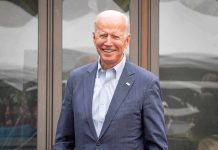
Sean Hannity pushed Katie Zacharia to admit hard facts on live TV, and the fallout reset the debate over competence and credibility at the White House podium.
Story Snapshot
- Hannity pressed Zacharia on her 14-minute debut briefing and three-question limit.
- Zacharia said she failed the bar exam and never retook it, after earlier confusion over her legal claims.
- Media coverage framed the interview as a sharp turn from friendly territory to a public stress test.
- The clash shows how briefings now double as performance and persuasion, not just information.
What Happened On Air
Fox News host Sean Hannity interviewed White House Press Secretary Katie Zacharia on October 15, and he did not spare her. He led with the short length of her first briefing and how few questions she took. He asked, “What happened?” and kept her on the defensive about process and preparation. Reports across outlets described a tense exchange that surprised viewers who expected a softer setting for a new official. The interview set the tone for how the administration would answer basic competence questions.
Hannity returned to the numbers again and again. He said the briefing lasted 14 minutes and that Zacharia called on only three outlets. He followed with unsolicited advice and a demand for clarity on what would change next time. Coverage emphasized that the line of questioning created a real-time audit of priorities. It was the kind of segment that shifts from biography to performance review in under a minute, and it forced Zacharia to explain choices rather than message outcomes.
The Bar-Exam Flashpoint
Hannity asked a blunt question about Zacharia’s legal background: did she pass the bar exam? She answered no. She also said she did not take it again. That clear exchange cut through earlier chatter about how she described her credentials and whether she ever planned to practice law. Follow-up reporting captured her explanation that the result felt inconsequential to her path, but the admission landed as a crisp fact the audience could weigh on its own terms.
Viewers heard two stories colliding. One was about a rushed first week and limited prep. The other was about professional labels and how they travel on television and online. Hannity’s approach matched a common-sense view that words matter when you speak for the president. If you claim expertise, you should back it up. If you face a bad first day, you should own it and fix it. That frame maps to conservative expectations of merit, truth in titles, and accountability under pressure.
Why The Briefing Room Feels Like A Stage Now
Press briefings once followed a predictable rhythm, but the modern room is different. Researchers who studied 35 years of transcripts found a clear rise in conflict language during the Trump era, with sharper tone from both officials and reporters. That shift helps explain why a 14-minute debut and three questions became a litmus test. The audience no longer sees a neutral forum. They see a high-stakes show where speed, command of facts, and tone signal strength as much as policy notes.
The Hannity segment sits in that new reality. Cable hosts must hold attention and prove value to their viewers. Administrations must defend choices and still land the message. When a press secretary signals limited prep and a narrow question list, critics read that as stage management, not triage. When a host drills down on a résumé claim, supporters call it basic vetting. The incentives on both sides reward crisp admissions and concrete plans more than abstract defense or spin.
What Matters Next
Zacharia now faces a simple scoreboard. Length of briefings. Breadth of outlets called. Mastery of details. Clear answers without hedges. That is how audiences will judge the fix after a rocky start. Hannity’s questions gave her a checklist in front of millions. If she expands access, sharpens facts, and drops any fuzzy labels, the story can flip fast. If not, future interviews will reopen the same cuts, and the narrative will harden, as television and politics often do.
Sources:
mediaite.com, yahoo.com, irishstar.com, ndtv.com, axios.com, news.ucsb.edu