Chuck Schumer faces the first real bid to unseat a sitting Democratic Senate leader in a generation, and the fight now has a viral-video twist.
Story Snapshot
- Chris Van Hollen is openly challenging Schumer for Senate Democratic leader in a secret-ballot vote.
- Van Hollen urges a tougher stance against President Trump and says voters demanded change.
- Schumer says he already has the votes to stay leader; Van Hollen disputes that.
- A clip of Schumer’s verbal slip adds fuel but does not prove incapacity.
A rare leadership showdown lands on a definite timeline
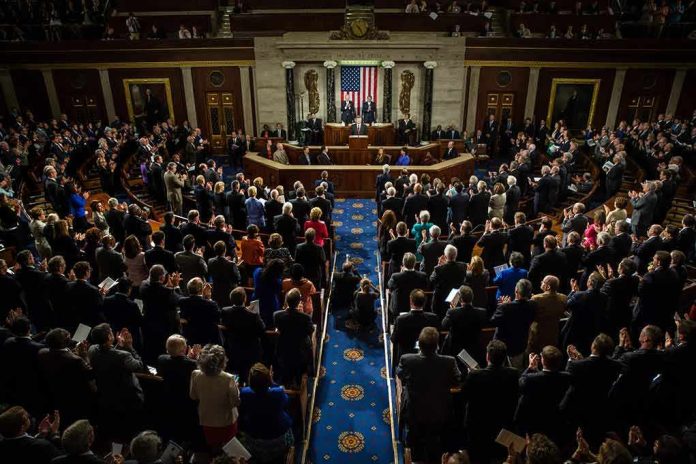
Senator Chris Van Hollen launched a formal challenge to Senate Democratic leader Chuck Schumer, setting up a closed-ballot election by the caucus in early December. This is no trial balloon. It is a scheduled contest with rules and a date, which makes it real and immediate. The Washington Post reports Democrats have not seen a contested Senate leadership election since 1994, when Tom Daschle narrowly won by one vote. That history puts this race in rare company and raises the stakes.
Schumer answered fast and tried to project control. He said he has the votes to continue as Democratic leader and plans to lead the new majority through the next Congress. Several outlets quoted him or his allies saying support is locked down. The claim sets a bar. If the vote backs him, he looks steady. If it does not, the message backfires. That is the danger of early chest-thumping in a secret ballot where senators can say one thing and do another.
Van Hollen’s pitch: new muscle, clearer contrast with Trump
Van Hollen frames his run as a call for change and sharper leadership. He says voters gave Democrats a chance and that the party must “meet this moment.” He also urged Democrats to go “toe to toe” with President Trump, signaling a more aggressive style on floor fights, messaging, and negotiations. That stance won him endorsements from Senator Jeff Merkley and independent Senator Bernie Sanders, giving his bid early credibility and a lane to grow. The question is whether quiet support matches public words when the ballots are counted.
The challenger has also accused Schumer’s team of inflating support and “instilling fear” to keep members in line, a classic claim in a whip count war. Van Hollen has not released a list or hard numbers. That choice keeps undecided members from feeling trapped but makes it harder to prove momentum before the vote. In a secret-ballot race, timing matters more than trending chatter. Late breaks often decide outcomes because they are harder to punish and easier to deny.
The viral clip heats the optics, but the vote will judge performance
A widely shared video shows Schumer making a verbal slip and correcting himself. Critics hold it up as a sign of wear. Supporters call it a routine flub. The clip adds noise and gives talkers content between now and the vote. It does not, by itself, prove a medical issue or an inability to lead. The leadership contest rests on caucus math, not a frame from social media. Senators will weigh results, relationships, leverage, and the next two years.
The Photo That NEVER Happened! Netanyahu, Jeffries & Schumer AI Fake EXPOSED
A viral photograph appears to show Benjamin Netanyahu, Hakeem Jeffries and Chuck Schumer embracing. But is it real?
In today's Facts Me: Conspiracy Autopsy, Stephen Lancaster examines the evidence… pic.twitter.com/8a0JvNQsu2
— Stephen Lancaster (@factsmetv) November 17, 2026
The mechanics favor discipline. Secret ballots let lawmakers break with public statements without instant blowback. Leaders usually try to lock support early, then freeze the field. Challengers try to show momentum and make delay feel costly. The Washington Post notes the vote is set for December 1, a short runway that pressures the challenger to close fast. That timeline keeps drama high and punishes drift. Every day without new public backers is a day the incumbent looks inevitable.
What the stakes are for policy, messaging, and 2027
Control of the Democratic caucus decides who sets floor priorities, negotiates with the White House, assigns committee posts, and defines the party’s public fight with President Trump. Schumer’s allies point to hard-won bills and dealmaking experience under intense pressure. Van Hollen’s allies say that is not enough and argue for sharper contrasts, fewer mixed messages, and a more aggressive posture against the administration. Both cases appeal to power, but they sell different paths to it.
Common sense suggests senators will vote on three tests. First, who can win the next fight with the White House and look strong doing it. Second, who can keep a diverse caucus from splitting at the worst time. Third, who can raise money, recruit candidates, and make the party look capable to swing voters. On those measures, experience helps Schumer, and urgency helps Van Hollen. The caucus will decide which trait it needs more right now.
How to read the claims before the ballots are cast
Schumer’s statement that he “has the votes” creates a simple measuring stick. Reporters can tally public pledges and see if they near a majority. Van Hollen’s charge that some public Schumer backers have privately promised to switch cannot be verified without names or the final count. The only hard proof arrives with the result. Until then, each camp will try to shape the mood. The rare nature of this challenge alone signals real discontent, even if it falls short on election day.
Sources:
redstate.com, npr.org, apnews.com, inquirer.com, politico.com, newsobserver.com, thehill.com, democrats.senate.gov, thereporteronline.com, thetimesherald.com