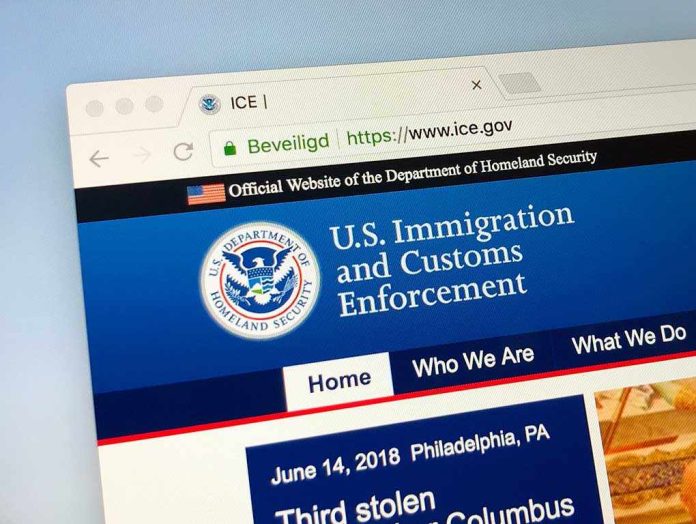
DHS answered a southbound-to-northbound caravan with a terse three-word message: “Our time has come.”
Story Snapshot
- DHS posted a video response to a caravan moving through Mexico toward the U.S.
- Regional outlets reported hundreds traveling from Central America and Honduras.
- DHS posture touts zero releases at the border for over a year.
- The agency’s tone projected resolve rather than policy detail.
DHS signals resolve as caravan advances through Mexico
The Department of Homeland Security posted a video on social media as a caravan moved north through Mexico. The post used the line “Our time has come” and featured a hype-style clip with music from the band Korn, according to coverage of the post. The message was framed as a direct response to a “huge migrant caravan” headed for the southern border. It was a public, plain signal of intent rather than a long memo.
Spanish-language reporting the day before the DHS post described a caravan of hundreds of Central American migrants crossing Mexico with plans to reach the United States. Another report from Honduras said a new group left San Pedro Sula on September 21. These accounts place real people on the road and help time the movement that DHS addressed online. The scale was described as hundreds, not thousands, in those reports.
What the post did, and what it did not
The DHS message drew a bright line on enforcement and timing but did not spell out operations. It did not list sector deployments, processing rules, or new checkpoints. It did, however, match the agency’s ongoing stance that illegal crossers face apprehension, detention, and removal. That stance has been highlighted in recent months alongside claims of zero releases at the border for sixteen straight months under current policy.
Public signaling matters because caravans are designed to be seen. They are movement and message at once. A short, high-energy video says “we are ready” without giving smugglers any map. It also reaches millions fast, which is useful when rumors spread faster than policy pages. The trade-off is clear: tone over detail. On a moving target like a caravan, that can be a feature, not a bug.
How caravans test border governance
Caravans compress complex migration into one image: a crowd walking north. That image can drive fear or sympathy on cue. Researchers have shown how tough-sounding policies and public signals can reduce caravan formation by raising the cost and risk. They also note that media framing can turn single events into outsized symbols that shape policy debates well beyond the numbers on the ground. Both effects show up whenever a caravan forms.
State responses in the caravan era rely on deterrence, checkpoints, and faster removals. Mexico has increased checkpoints and security presence under pressure in past cycles, while the United States has used messaging and enforcement to shape choices upstream. The DHS post sits in that pattern: signal first, maneuver as needed, and keep options open. That approach lines up with sovereignty and basic order, which most Americans expect at the border.
Policy posture under President Trump and the current read
Current policy aims to remove the magnet of quick release. The Department of Homeland Security and United States Customs and Border Protection summaries have stressed that illegal crossers are apprehended, detained, and removed rather than released. Supporters argue this is common sense: clear rules, swift outcomes, and fewer incentives for repeat attempts. If caravans keep forming, the test is whether those outcomes hold under crowd pressure.
DHS Responds to Latest Migrant Caravan Marching Toward US Border (VIDEO) https://t.co/MSQFYpRG4x #gatewaypundit via @gatewaypundit
— Karen Hutchinson (@Hutchinson22011) September 28, 2026
One fair caveat is that the DHS clip, as reported, carried more attitude than specifics. That is acceptable if field posture is already set and known. It becomes risky only if the message outruns the muscle. For now, the record shows a caravan, clear DHS rhetoric, and a policy frame that stresses detention and removal. The next data point will be simple to read: how many entered illegally, how many were stopped, and how fast outcomes followed.
Sources:
thegatewaypundit.com, theprp.com, laopinion.com, cbp.gov, townhall.com, cjr.org, bakerinstitute.org, usmex.ucsd.edu