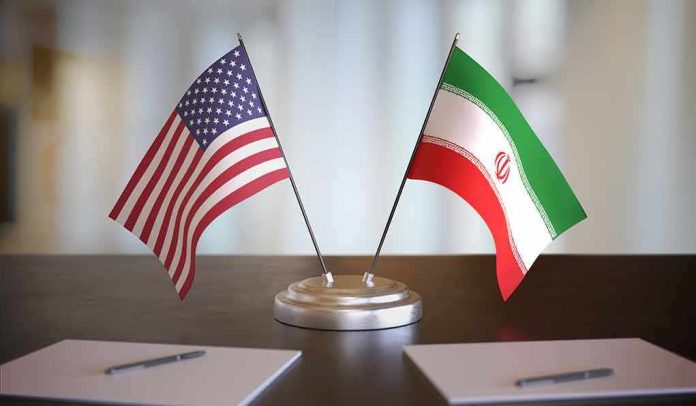
Iran floated a seven-day off-ramp hinged on U.S. concessions; President Trump did not bite.
Story Snapshot
- Tehran pitched a phased, seven-day plan linking a cease-fire to reopening the Strait of Hormuz and nuclear talks.
- Trump signaled distrust, saying he was “not satisfied” with Iran’s offer.
- Reports say Trump rejected the plan and expected airstrikes could resume after midterms, citing unnamed officials.
- Talks continued at the United Nations, but both sides remained far apart with no breakthrough.
What Iran Put On The Table And Why It Mattered
Iran’s foreign minister outlined a seven-day framework in New York. The plan tied a short cease-fire to phased steps that would end with reopening the Strait of Hormuz and restarting nuclear talks by day seven, if conditions were met. Reports described those conditions as U.S. moves on sanctions and naval posture, plus a wider quiet on regional fronts. That structure aimed to trade rapid de-escalation for immediate relief. The chokepoint at Hormuz gave Tehran leverage because it affects global fuel prices and shipping security.
Trump’s Read: Conditional Offer, Uncertain Compliance
President Trump publicly downplayed the offer’s strength, saying he was “not satisfied” and questioning Iran’s ability to deliver unity and compliance. He also argued Iran could not be allowed to reach a nuclear weapon, a red line that shapes every U.S. choice in this crisis. Conservative logic on this is simple: do not pay first and hope for peace later. A phased deal that front-loads U.S. concessions before verifiable steps from Iran invites risk the U.S. cannot afford.
The Reported Rejection And The Post-Election Clock
The Wall Street Journal, as summarized by other outlets, reported that Trump rejected the seven-day cease-fire plan and told aides he expected bombing to resume after the midterm elections, citing unnamed officials. That detail, while newsy, rests on anonymous sourcing and lacks a public directive. The cleaner public record shows continued talks but no agreement. Skeptics will focus on the anonymity; realists will note wartime leaders often keep timelines close while signaling resolve to shape the other side’s choices.
Why The Strait Of Hormuz Became The Fulcrum
Iranian officials linked reopening the strait to satisfaction of their conditions, which included ending hostilities and easing pressure on Iran’s economy and shipping. That stance told Washington two things. First, Tehran wanted sanctions and blockade relief early. Second, any truce that left Hormuz shut was a non-starter for Iran’s leadership. For the U.S., unlocking a global choke point without ironclad verification and teeth would look like paying ransom at scale. That tradeoff explains the White House caution.
Talks Drag, Markets Watch, And Voters Notice
Diplomacy continued on the sidelines of the United Nations. Reuters reported the two sides remained far apart, and Stars and Stripes said talks produced no breakthrough. This gap matters beyond geopolitics. Oil markets twitch when Hormuz closes. Families feel that at the pump within days. Voters also smell a bad deal. They prefer pressure that yields real checks on Iran’s program, not photo-ops. Any plan that delays nuclear talks while asking for early relief will land with a thud in Middle America.
The Test That Any Deal Must Pass
Successful deals in this arena pass three tests. First, verifiability before relief. Second, immediate and complete opening of Hormuz with clear penalties if violated. Third, direct linkage to nuclear limits that block weaponization, not vague promises to talk later. Iran’s proposal, as reported, inverted that order by asking for front-end U.S. steps with a day-seven payoff and later nuclear talks. That sequencing invites doubt. Trump’s stance reflects a common-sense rule: trust measures beat trust slogans every time.
What To Watch Next
Three signals will show if this moves from theater to treaty. One, publication of a formal text or mediator memo spelling out exact steps and timelines. Two, a U.S. counter that swaps “front-load relief” for “front-load verification.” Three, a verifiable opening of Hormuz alongside immediate nuclear constraints and snapback triggers. Until then, expect hard messaging, shuttle diplomacy, and quiet planning for force options if talks stall. Pressure creates choices. Verification locks them in place.
Sources:
iranintl.com, nytimes.com, nypost.com, apnews.com, independent.co.uk, reuters.com, cbs12.com, cbsnews.com, thedailystar.net