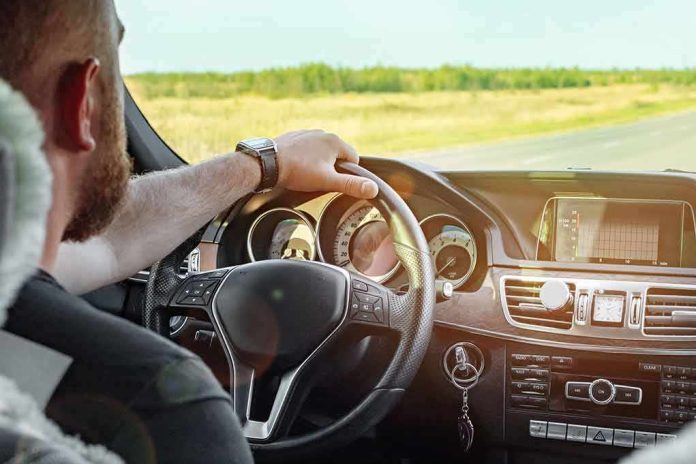
Volkswagen is recalling about 2.86 million cars worldwide because a corroding steering bolt can snap and make the driver lose control.
Story Snapshot
- The recall spans Volkswagen and Audi models built from 2013 to 2024, across many regions.
- Corrosion at a steering-rack mounting point can break a bolt and cause steering loss.
- United States regulators list 208,724 affected vehicles, including Atlas, Tiguan, and Audi Q3.
- Dealers will replace the bolt with a corrosion-resistant part at no charge, per recall notices.
What Volkswagen Is Fixing And Why It Matters
Volkswagen confirmed a global recall after internal checks and regulator reviews flagged a corrosion risk at a steering-rack mount. The right-side bolt that helps hold the rack can corrode, break, and lead to steering loss. Germany’s motor authority said the action covers core Volkswagen nameplates like Tiguan, Touran, Golf, and Caddy produced between 2013 and 2024, plus a large block of Audi vehicles from 2017 to 2024. This is a safety defect with a clear mode of failure, and it demands swift repair.
United States filings put sharper edges on the technical story. The National Highway Traffic Safety Administration said 208,724 vehicles in the United States need the fix because the steering-rack mounting bolt may corrode and break. If that happens, the rack housing can fracture, which can cause the driver to lose steering control and raise crash risk. Common sense says a bolt that fails in a salt belt winter is not a minor issue. A firm fix beats press releases every time.
Which Vehicles Are In The Net
Volkswagen’s global count sits near 2.86 million vehicles. Coverage includes high-volume Volkswagen models like Tiguan, Touran, Golf, and Caddy across more than a decade of build years. Reports also cite hundreds of thousands of Audi vehicles in the mix. In the United States, the recall scope centers on certain 2018–2019 Volkswagen Atlas, 2018 Volkswagen Tiguan, and 2019–2021 Audi Q3 models, which is a typical model-year slice for a defect tied to a supplier run or design change. Expect country-level lists to vary by climate exposure and parts sourcing.
Drivers ask the same question first: can I still drive it? Dealers and notices advise owners to watch for symptoms like clunking from the front, loose steering feel, or a steering warning. But this fix is straight and fast: dealers will replace the suspect bolt with a corrosion-resistant part and check the steering rack housing. The job is done at no cost to owners, as standard recall policy requires. Book the appointment and get new hardware on the car.
How Corrosion Turns A Bolt Into A Safety Hazard
Moisture and road salt attack exposed metal. A bolt at the steering rack mount sits low and can see spray and grime for years. Corrosion eats away at the bolt’s strength until the head snaps. When the bolt lets go, load shifts to the rack housing. That can crack under stress, and then the steering input no longer moves the wheels as it should. The chain is simple: corrosion, fracture, housing damage, steering loss. Breaking that chain with a better bolt is the fix.
Volkswagen to recall 2.86 million VW, Audi models over potential steering problem https://t.co/KFThkNRwHU
— The San Diego Union-Tribune (@sdut) September 25, 2026
American conservative values stress personal responsibility and practical safety. This recall lines up with both. Owners handle their end by getting the repair done now, not later. The company handles its end by owning the defect and paying for the fix. Regulators do their job by pushing a clear remedy into the field. That is the correct order of operations. Let engineers solve the root cause while drivers get back on the road with sound parts and a paper trail.
What To Do Next If You Own An Affected Car
Check your mailbox and email for a recall notice from Volkswagen or Audi. Search your vehicle identification number on your national recall website or the companies’ portals. Call your dealer, confirm parts are in stock, and set an appointment. Ask the service advisor to inspect the steering rack housing while replacing the bolt. Keep your receipt with the repair code in your records. If you feel odd steering, hear front-end clunks, or see a dash warning, park the vehicle and arrange a tow.
Sources:
insiderpaper.com, lemonde.fr, reuters.com, aa.com.tr, foxbusiness.com, kbb.com