The file is closed: Arizona’s top prosecutor says there is no evidence of a quid pro quo tying Governor Katie Hobbs to a pay-to-play scheme.
Story Snapshot
- The Attorney General’s office ended a two-year probe with no bribery charges.
- Investigators reviewed more than 100,000 documents and one terabyte of data.
- The conclusion cites a lack of any quid pro quo needed for a criminal case.
- Parallel reviews and political questions may continue outside criminal court.
Arizona’s Attorney General closes the case with a clear bottom line
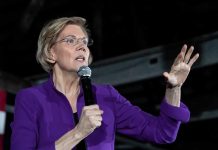
Arizona Attorney General Kris Mayes announced her office will not charge Governor Katie Hobbs after a two-year criminal investigation into alleged pay-to-play with a foster group home provider. The findings say agents did not uncover evidence of a pay-for-play scheme or the quid pro quo needed for a bribery count. News outlets reported the decision as a formal close of the criminal probe, not a casual press remark. That framing matters because it signals an evidentiary call, not a political shrug.
https://www.youtube.com/watch?v=ORM-fm41n88
Investigators said they ran a wide search. The office cited multiple interviews and reviews of campaign finance records, procurement records, bank records, and state emails and chats. The review produced more than one terabyte of data and over 100,000 documents. That volume by itself does not prove innocence. It does show prosecutors looked for hard proof and did not find an exchange. In criminal law, that exchange is the hinge: money or value for an official act, this for that.
What the law requires versus what politics suspects
Bribery law draws a sharp line. Campaign donations and policy wins may look suspicious, but the crime turns on an agreement to trade money for an official act. Courts have long held that a contribution becomes criminal only when it is made in return for an explicit promise or undertaking by the official. The Attorney General’s office said the record here lacked that deal point. Without it, prosecutors do not have the “this for that” link needed to go to court.
Some readers will still ask about timing and optics. That is fair. The reported donations and later rate actions fueled the public story. But a prosecutor must prove an exchange, not just sequence. That rule protects free speech and legal fundraising while still allowing charges when the facts show a true trade. American conservative values favor rules that punish real corruption while avoiding criminalizing routine political support without proof of a deal.
The process ran for two years; the politics will run longer
The office opened the probe in 2024 after a formal complaint from a Republican lawmaker. The Attorney General’s office publicly confirmed the investigation and later said it expected to finish before the 2026 election. Over two years, staff gathered documents and conducted interviews. The final published finding states that the investigation did not uncover evidence of a necessary quid pro quo and would not support bribery charges. That is a clean prosecutorial answer to a criminal question.
Parallel tracks remain. The Maricopa County Attorney and the state auditor general were asked by lawmakers to review parts of the matter, and local reporting noted interest in county-level follow-on steps. These threads keep the narrative alive in media and politics. They do not change the Attorney General’s criminal call. If any other body finds new facts that prove an exchange, then the legal picture could shift. Until then, the record stands where the state’s prosecutors left it.
What unresolved questions still deserve sunlight
The Attorney General’s public summary did not release every memo, interview, or bank record. That is normal for a closed case, but it leaves space for doubt. The office could ease that doubt by releasing a redacted case file that protects witnesses and grand jury secrecy while showing document logs and interview summaries. Greater transparency would help the public judge the work product while respecting the law and due process. Sunlight limits spin on both sides.
Arizona attorney general says no evidence of quid pro quo in Katie Hobbs bribery investigation.https://t.co/dKVj0yJYRt
— Washington Examiner (@dcexaminer) August 22, 2026
Elected officials also have a stake in guardrails that prevent this loop from repeating. A strong ethics code, clear recusal rules, and bright-line limits on contractor-linked giving reduce appearance problems that fuel costly probes. Those steps align with common sense: keep charity and policy apart, record contacts, and publish timelines. When rules are clear, honest actors work with confidence, bad actors face quick exposure, and prosecutors do not have to chase smoke to find no fire.
Sources:
thegatewaypundit.com, azfamily.com, azcentral.com, azmirror.com, azcapitoltimes.com, azfreenews.com, kjzz.org, abc15.com