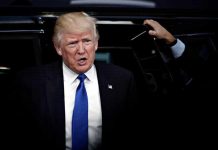
One day before Donald Trump hit pause on his own tariffs, his investment accounts quietly fired off 327 undisclosed stock trades, and that timing is exactly why this story will not go away.
Story Snapshot
- Trump’s accounts made 327 unreported trades on April 8, 2025, just before a 90-day tariff pause.
- The trades hit big names like Apple and Microsoft, and ethics rules say they should have been reported within 45 days.
- Trump’s team says a third party runs everything with automated strategies, not insider tips.
- Democrats push for probes and new laws, while history shows insiders almost never face charges.
The Day 327 Trades Landed Just Before A Policy Shock
On April 8, 2025, investment accounts tied to President Donald Trump executed 327 stock purchases that had never been disclosed to the public at the time. The very next day, Trump stunned markets by announcing a 90-day pause on many of his “liberation” tariffs, sparking a sharp rally in stocks that had been under pressure from his trade war. Those trades were later revealed in a dense, 927-page financial disclosure filed with the Office of Government Ethics, months after they should have appeared in real-time reports.
Federal ethics rules are clear about the basic duty to tell the public when officials trade. The Stop Trading on Congressional Knowledge Act requires executive branch officials to disclose stock transactions over a set threshold within 45 days. Trump did not file those timely trade reports for the April 8 activity or any of his 2025 stock trades, and an ethics reviewer later recorded late filing fees on the disclosure, confirming his reporting was not on schedule. The trades themselves involved blue-chip companies that live and die by federal policy, including Apple, Microsoft, Nvidia, Amazon, and Alphabet, with some transactions reaching into the six figures.
Volume, Automation, And The “Normal Tuesday” Defense
The 327 trades only make sense when you zoom out to the whole quarter. Trump’s accounts made about 3,600 trades in the first three months of the year, across more than 1,000 firms and worth tens of millions of dollars. One analysis found over 21,000 trades in 2025, averaging roughly 60 trades per day across eight accounts. Fortune and other outlets turned to wealth managers, who said this looks like direct indexing and tax-loss harvesting, not a guy in the Oval Office mashing buy and sell buttons.
The Trump Organization leans hard on that explanation. It says independent financial institutions control all investment decisions and use automated, model-based portfolios and direct indexing strategies. The company insists Trump, his family, and the organization do not select, direct, approve, or even get advance notice of specific trades. Bloomberg’s coverage echoed the same line, with a spokesperson stressing that a third party runs the accounts and that ethics critics cannot simply jump from “massive volume” to “illegal insider trading” based on disclosure forms alone. That argument aligns with a conservative instinct: responsibility should rest on provable actions, not vibes or partisan suspicion.
Why Critics Still See A Problem Even Without A Smoking Gun
Ethics watchdogs and Democratic lawmakers are not buying the “nothing to see here” story. Senator Elizabeth Warren and colleagues urged the Securities and Exchange Commission to investigate whether Trump’s tariff moves, and the pause that reversed them, were used to benefit insiders who had advance knowledge. They want to know if anyone in Trump’s circle knew about the tariff delay and traded ahead of the announcement. NBC News and PBS highlighted that Trump’s active trading of individual stocks while serving as president is unprecedented in modern history. That break with past norms alone rings alarm bells for people who value clean lines between private money and public power.
Former ethics officials add sharper criticism. Richard Painter argued that it does not matter who presses the trade button if the president knows what is in his accounts from Form 278 disclosures. He says the structure Trump chose—outsourcing to brokers without a blind trust—still allows potential conflicts because Trump can see the companies he owns while he sets policy. From a common-sense conservative view, that hits a core concern: the appearance of self-dealing undermines trust even if prosecutors never file charges. People want a president focused on the country’s interests, not watching his portfolio during tariff swings.
The Bigger Pattern: Suspicious Timing, Almost No Consequences
The controversy around these 327 trades sits inside a wider story that should worry anyone who cares about equal treatment under law. ProPublica found that multiple senior officials sold stocks shortly before Trump announced tough tariffs that drove markets down, avoiding losses in ways that looked very lucky or very well informed. The BBC analyzed trading spikes that hit minutes before major Trump statements, showing millions of dollars of bets placed right before his market-moving posts, with some trades netting huge profits. Those patterns fuel a sense that powerful insiders play a different game than regular investors.
Trump discloses 327 unreported stock trades made a day before his first tariff pause
Source: NBC Newshttps://t.co/38XpbZetqI— Myrna Laboy (@laboy_myrn35302) July 3, 2026
Yet the enforcement record is blunt: insider trading laws reach government officials on paper, but real punishment almost never follows. No member of Congress has ever been prosecuted under the Stop Trading on Congressional Knowledge Act, despite thousands of trades and repeated alleged violations by both parties. That base rate matters. It tells voters that even when timing looks suspicious, cases die in the gray zone between “this feels corrupt” and “this meets every element of a crime.” For conservatives who value rule of law, that gap is toxic. Laws that never bite turn into stage props instead of real guardrails.
What Accountability Would Look Like In Practice
Fixing the problem does not require joining any partisan fan club. It means tightening systems so that neither Trump nor any other official can ride inside information without facing clear consequences. A serious response would include real-time, enforced disclosure for all trades; mandatory blind trusts for top officials; and audits of “automated” strategies used by presidents and cabinet members to confirm they are blind to policy decisions. Some lawmakers have already proposed banning individual stock trading by elected leaders and their families, a step that tracks with basic conservative common sense: if you hold office, you do not actively play the market.
Sources:
feedpress.me, nbcnews.com, kfiam640.iheart.com, youtube.com, x.com, facebook.com, reddit.com, quiverquant.com, campaignlegal.org