A high-profile welfare-fraud crackdown in Minnesota is now exposing a deeper fight over who really protected taxpayers—and who looked the other way.
Story Snapshot
- Federal agents raided 22 Minneapolis-area businesses, many tied to childcare, as part of a welfare-fraud investigation.
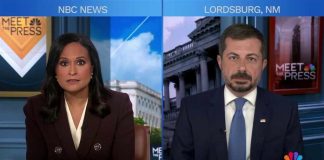
- Minnesota Gov. Tim Walz said state agencies flagged irregularities that helped lead to the raids, adding “the buck stops with me.”
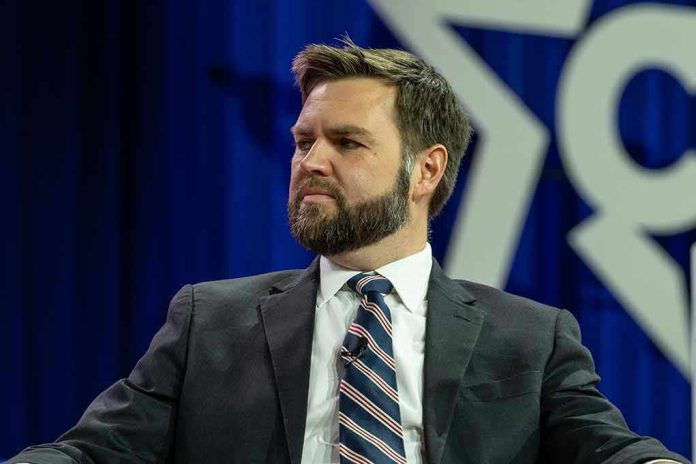
- Vice President JD Vance rejected Walz’s framing, comparing him to “an arsonist” trying to take credit for the firefighters.
- Homeland Security Secretary Markwayne Mullin also accused Walz of ignoring or downplaying the fraud, while the investigation continues.
Federal raids trigger a political collision in Minnesota
Federal law enforcement executed search warrants at 22 locations in the Minneapolis area as investigators pursued alleged welfare fraud tied largely to childcare-related businesses. According to the available reporting, prosecutors have been tracking similar misconduct going back years, with some investigations dating to at least 2018. That long timeline matters because it frames the raids as the culmination of sustained federal work—rather than a sudden, one-day sweep sparked by a new tip.
Gov. Tim Walz responded publicly by highlighting a role for state agencies, posting that Minnesota officials had identified irregularities and reported them. Walz also used language meant to convey executive accountability, saying “the buck stops with me,” while emphasizing that “people who have ripped us off are getting caught and going to jail.” The dispute is not about whether fraud allegations exist—raids suggest investigators believe they do—but about who acted early, and who failed to act when warning signs appeared.
Vance’s “arsonist” line reflects a broader GOP anti-fraud narrative
Vice President JD Vance, who has been described in the coverage as serving as a “fraud czar,” attacked Walz for what he characterized as credit-grabbing after the raids. Vance’s central argument is straightforward: if significant fraud ran for years under Walz’s watch, then the governor should not present himself as the decisive force behind a federal crackdown. Vance also said federal authorities “did not get much help” from the governor’s office, sharpening the claim from mere messaging to alleged non-cooperation.
Homeland Security Secretary Markwayne Mullin echoed that criticism, accusing Walz of ignoring or downplaying the problem. The reporting also stresses that the enforcement action was welfare-fraud related and not an immigration raid, a distinction that matters because it undercuts attempts to reframe the event as routine political theater. If the case is primarily about misuse of public benefits, then it sits squarely inside a bread-and-butter governance issue: whether state systems protected taxpayers and vulnerable families who rely on legitimate assistance.
Accountability questions linger because timelines, not slogans, decide responsibility
The available facts establish several points: the fraud concerns are not new, investigators have been building cases for years, and federal agents ultimately conducted coordinated raids across dozens of sites. What remains less clear from the reporting is the precise chain of referrals—what state agencies flagged, when they flagged it, and whether earlier action could have prevented losses. Without that documentation, the argument becomes a familiar Washington-versus-the-states standoff: one side says it led, the other says it cleaned up a mess after years of neglect.
That limitation matters for readers across the political spectrum who suspect the system protects insiders. Conservatives tend to see sprawling welfare administration as an invitation for fraud when oversight is weak and incentives are misaligned. Many liberals share a different concern: that repeated fraud scandals become a pretext for cutting programs that honest families need. The common ground is that neither side benefits when government fails basic controls—especially in childcare, where parents and providers depend on trust and predictable rules.
Why this case resonates nationally as Trump’s second-term agenda leans into oversight
The Trump administration has made enforcement and oversight themes central to its broader governing argument: government should be competent, borders should be enforced, and public dollars should be guarded like family budgets. Vance framed Minnesota as “the tip of the iceberg,” suggesting the administration sees the alleged scheme as part of a wider national problem. The coverage also mentions potential denaturalization discussions tied to suspects—an especially contentious area—though details, legal posture, and the number of people potentially affected are not clearly established in the provided research.
JD Vance compares Gov Tim Walz to an 'arsonist' for allegedly trying to take credit for FBI fraud raids https://t.co/iiuGfDU1iJ
— John Wade (@LtJohnWade) April 30, 2026
For Minnesota, the immediate stakes are practical: recovering losses, prosecuting wrongdoing, and tightening controls so parents and legitimate providers are not punished for others’ misconduct. Politically, the episode intensifies pressure on Democratic leadership in a state already grappling with public skepticism about whether agencies move fast enough to stop organized fraud. If investigators can show failures were systemic—and fixable—voters will likely demand not just arrests, but structural changes that make future fraud harder and accountability unavoidable.
Sources:
jd-vance-recounts-being-rushed-from-whca-dinner-after-suspected-gunman-breached-security
Vance Rips Tim Walz For Taking Credit For Anti-Fraud Raids
walz-shows-key-fraud-hearing-despite-building-business-gop-leader