President Trump told Americans that paying a little more at the pump is worth keeping Iran from getting a nuclear weapon.
Story Snapshot
- Trump linked higher gas prices to stopping Iran’s nuclear ambitions.
- He called the price hit “peanuts” next to the stakes of nuclear risk.
- He said prices should ease once the conflict ends or a deal is reached.
- Oil chokepoints like the Strait of Hormuz push pump prices higher.
Trump’s Case: Pay More Now, Avoid Disaster Later
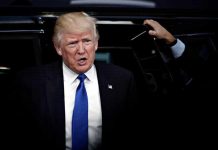
President Trump framed the spike in gasoline prices as the price of strength. He told rally-goers that a “tiny little bit more” at the pump helps stop “a very evil country” from getting a nuclear weapon, tying consumer pain to national security aims. He pressed the point again days later, calling the economic hit “peanuts” compared with the risk of a nuclear-armed Iran, and insisted Americans would not face the squeeze for long. The message was blunt: endure today to avoid far worse tomorrow.
Trump has kept this argument steady across venues. In interviews and impromptu press gaggles, he said pump prices will fall when a deal is done or when the conflict ends, and that patience will pay off once the pressure campaign achieves results. He also told reporters that short-term oil moves do not scare him, because the strategic goal comes first. That tone fits a classic deterrence stance: accept near-term costs to stop a larger, longer danger.
Why Global Oil Shocks Hit Your Local Pump
Gasoline prices track global crude oil prices. That is not theory; it is how refineries buy feedstock and how markets clear. When war or threats choke supply, prices rise everywhere that uses oil, including the United States. The Strait of Hormuz is the world’s narrow throat for oil. Energy scholars estimate about one-fifth of global oil flows through it, so any closure or risk premium there lifts prices fast and hard. More domestic drilling does not insulate drivers from global shocks.
Market analysts have flagged a “risk premium” on each barrel when missiles fly or tankers stall. Research desks have pegged that premium in the double digits per barrel during this conflict, depending on how tight passage through Hormuz becomes and how long it lasts. Policy shops have run scenarios where a major Hormuz disruption jolts prices to extreme levels before easing after the crisis ends. This is why even a small squeeze at the strait can echo at every gas station sign from Maine to Montana.
The Politics of the Pump: Messaging Under Pressure
Every president gets judged at the pump. Voters see the numbers, feel the cost, and assign blame or credit. Scholars who compare leaders still find big links between crude prices and pump prices across countries and time, which shows how much the global market drives what you pay. Trump is flipping that script. He is not dodging the increase. He is claiming it, arguing that American power needs public buy-in when the threat is nuclear. That framing aligns with conservative priorities: peace through strength, deterrence over delay, and moral clarity about rogue regimes.
Critics will say the line sounds indifferent to family budgets. Supporters will answer that weakness is more expensive. Here the facts matter. Iran’s energy moves and the war’s disruptions have tightened supply. Oil executives have warned about lower inventories and the risk of higher prices if supply chains stay pinched. The administration has used sanctions pressure while also weighing targeted relief to steady markets, a balance that can shift as events change. Voters can fairly judge whether these tools are used well, but the link between turmoil and prices is real.
What To Watch Next: Three Levers That Move Prices
First, watch the Strait of Hormuz. Safe transit lowers the risk premium; threats lift it. Any naval protection that opens lanes can ease pressure quickly, even before a formal deal. Second, watch talks. A credible path to cap Iran’s nuclear program can calm traders and shave dollars off crude. Trump has said prices would fall fast once an agreement is signed or fighting stops. Third, watch inventories. When gasoline stocks build, price spikes soften; when they draw down, spikes stick.
Niall Stanage says Trump is leaning on defensive rhetoric to contain the political fallout from soaring gas prices arguing that an unpopular Iran war is becoming increasingly costly at home and forcing the administration to reshape its message#NYI pic.twitter.com/XJjHbBaWyO
— NewYork-Insight (@NewYork_Insight) August 15, 2026
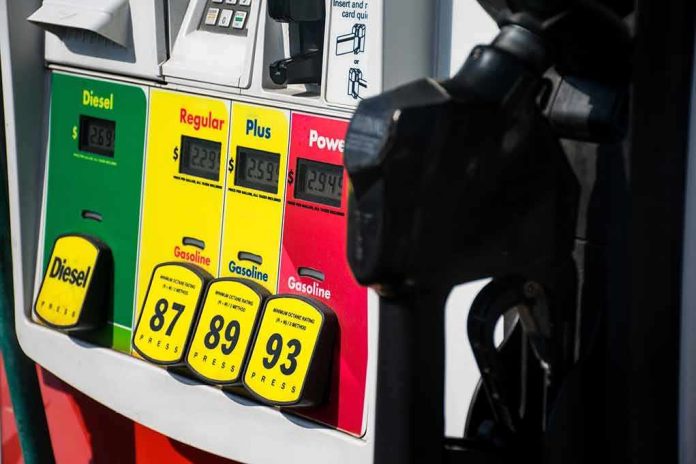
The bottom line is simple and hard at once. Geopolitics sets the table; markets serve the bill. Trump’s argument asks Americans to treat a few extra dollars each fill-up as a stand against a nuclear Iran. That appeal rests on a clear logic chain that links a narrow waterway to a station on your commute. If Hormuz opens and a deal holds, he will own the relief. If not, the price sign will keep score in six-inch digits, like it always does.
Sources:
feedpress.me, yahoo.com, youtube.com, usatoday.com, hks.harvard.edu, bbc.com, washingtonpost.com, sciencedirect.com, politico.com