A law student drove 2,500 miles from New York to ram a Nevada power substation, loaded his car with bombs and guns, then shot himself—exposing America’s fragile energy grid to lone-wolf terror.
Story Snapshot
- Dawson Maloney, 23, Albany Law School student, crashed rental car into secured LADWP substation near Boulder City on February 20, 2026, then died by suicide.
- Vehicle and hotel yielded shotguns, AR-pistol, flamethrowers, thermite, explosives like ammonium nitrate, and books on white supremacy, anti-government, and eco-extremism.
- LVMPD and FBI probe as terrorism; no damage or outages, thanks to prior security upgrades.
- Maloney messaged family pre-attack: called himself “dead terrorist son” aiming for news coverage.
- Eclectic ideologies and cross-country trek highlight lone actor threats to critical infrastructure.
Timeline of the Attack
Dawson Maloney rented a silver Nissan Sentra in Albany, New York, on February 12, 2026. He departed around February 14, driving cross-country to Nevada. Family reported him missing after he sent messages about self-harm and plans for a high-profile act to make the news. He called himself a “dead terrorist son.” Around 10 a.m. on February 20, a 911 caller reported his car smashing through the substation gate near Boulder City. Gunshots echoed; Maloney wore soft body armor.
Weapons and Extremist Materials Uncovered
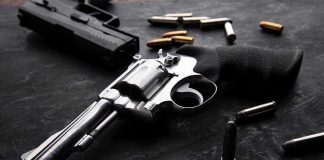
Officers found Maloney dead from a self-inflicted gunshot. Searches of his car, hotel room, and Albany home revealed two shotguns, an AR-style pistol, loaded magazines, shells, flamethrowers packed with thermite, pipes, ammonium nitrate, magnesium ribbon, gasoline, crowbar, hatchet, and cellphone. Books covered right-wing and left-wing extremism, environmental radicalism, white supremacy, and anti-government views. Albany searches also turned up firearm parts and a 3D printer. No accomplices surfaced.
Official Response and Press Conference
Las Vegas Metropolitan Police Department led the response, with FBI assisting from Nevada and New York. Boulder City Police arrived first; Chief Tim Shay confirmed no damage. On February 21, Sheriff Kevin McMahill and FBI Special Agent Christopher Delzotto held a press conference. McMahill stated findings “significantly elevate the seriousness.” Delzotto outlined the travel timeline. Los Angeles Department of Water and Power reported no disruptions. Albany Law School called it heartbreaking.
Investigators treat the incident as a credible counterterrorism threat. Forensic analysis continues on electronics. Motive remains unclear amid the mix of ideologies. Law enforcement stresses no ongoing public threat, aligning with common-sense priorities of swift, transparent action to protect infrastructure without overreach.
Grid Vulnerabilities and Prior Warnings
The substation, 30 minutes from Las Vegas near I-11, had hardened defenses after a previous incident: private guards, video surveillance—all credited with limiting damage. U.S. power grids attract extremists for their symbolism and weaknesses. A 2020 online guide detailed low-tech attacks like shooting substations. This lone actor plot echoes those concerns, blending personal despair with chaotic intent. Minimal physical harm occurred, but the arsenal signals potential for disaster.
Implications for National Security
Short-term, agencies review substation security nationwide. Long-term, the event spotlights needs for “target hardening” amid rising threats. Boulder City and Las Vegas residents face no immediate danger. Maloney’s family and school grieve. Economically neutral due to no outages, the attack fuels social fears and political calls for stronger protections. Conservative values demand practical defenses—bolstered borders, vigilant policing, and resilient infrastructure—over ideological blame games on unaligned radicals.
Sources:
Officials investigating terrorism-related event after driver rammed car into Nevada power substation
Suspect dead, ongoing counter-terrorism investigation into power substation attack
New York man carrying explosives, weapons targets power substation outside Boulder City
Las Vegas-Boulder City terror investigation