A measles outbreak in South Carolina is testing the nation’s public health resilience as cases soar and spread across state borders.
Story Summary
- South Carolina experiences the largest active measles outbreak in the U.S.
- Cases have surged to 558, with 86.5% of infections in unvaccinated individuals.
- The outbreak has spread to eight other states, threatening national measles elimination status.
- Public health responses include aggressive vaccination campaigns and quarantine measures.
South Carolina’s Growing Measles Crisis
The measles outbreak in South Carolina, which began in Spartanburg County in October 2025, has rapidly escalated. By January 16, 2026, the number of confirmed cases surged to 558, marking it as the largest active outbreak in the United States. The outbreak’s acceleration is staggering, with 124 new cases confirmed in just three days since January 14. The epicenter, Spartanburg County, is grappling with significant public health challenges as it works to contain the virus and prevent further spread.
The outbreak predominantly affects children and adolescents, with 91% of the cases occurring in individuals under the age of 18. This age group accounts for 506 of the 558 total cases. A significant factor contributing to the outbreak is the high concentration of unvaccinated individuals, comprising 86.5% of those infected. The outbreak’s growth and spread highlight systemic vulnerabilities in vaccination coverage, particularly in regions with low immunization rates.
Multi-State Spread and Public Health Response
The outbreak has not remained confined to South Carolina. It has spread to other states, including Arizona, Florida, Georgia, North Carolina, Ohio, Oregon, Utah, and Virginia. This multi-state spread underscores the potential for sustained measles circulation if vaccination rates do not improve. The Centers for Disease Control and Prevention (CDC) is actively involved in tracking cases across states, working alongside the South Carolina Department of Public Health (DPH) to coordinate response efforts.
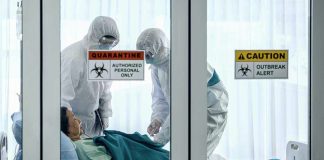
Public health authorities have implemented aggressive measures to curb the outbreak. Mobile vaccination units have been deployed, and the DPH has published a real-time public exposure list to inform residents of potential risks. Vaccination within 72 hours of exposure is emphasized as a crucial preventive measure. However, with 531 individuals in quarantine and 85 in isolation, the outbreak continues to strain public health resources and disrupt normal life.
Impact on Communities and Health Systems
The outbreak is placing a significant burden on public health systems and affected communities. Schools are among the hardest hit, with multiple institutions implementing quarantine measures that affect hundreds of students. This has led to educational disruptions and a shift toward remote learning arrangements for affected students. The outbreak also poses economic and social challenges for families under quarantine or isolation orders, with restrictions expected to last until mid-February.
Healthcare providers face increased demand for vaccination services and clinical care, further straining resources. The outbreak’s impact extends beyond individual cases, threatening the nation’s measles elimination status achieved in 2000. If outbreaks like this one continue unchecked, the U.S. risks losing this significant public health achievement, highlighting the need for robust vaccination campaigns and improved disease surveillance.
Addressing Vaccination Gaps and Future Implications
The South Carolina measles outbreak reveals critical vaccination gaps, particularly in Spartanburg County and neighboring areas. With 483 of the 558 cases being unvaccinated individuals, the outbreak emphasizes the importance of vaccination as a primary prevention strategy. Public health officials continue to advocate for increased vaccination coverage to prevent further spread and protect vulnerable populations, especially children and adolescents.
The outbreak’s trajectory suggests that sustained intervention will be necessary to prevent further spread and protect the U.S. measles elimination status. This includes addressing vaccine hesitancy and improving public confidence in vaccination programs. Schools, public health agencies, and healthcare providers must collaborate to enhance disease surveillance, response capacity, and vaccination outreach efforts to prevent future outbreaks and safeguard public health.
Sources:
South Carolina Department of Public Health