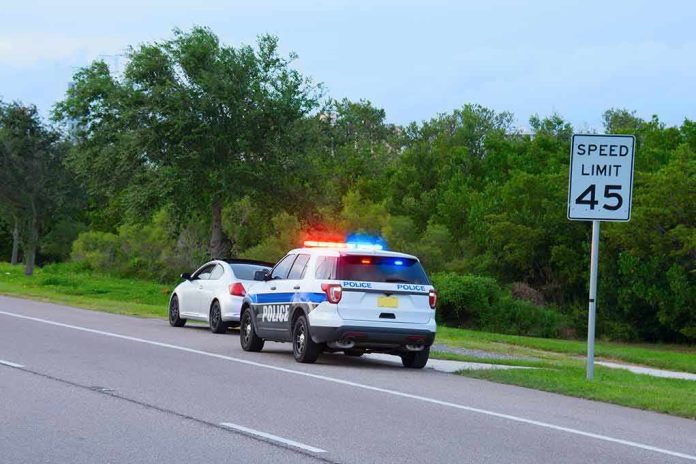
One traffic stop on an ordinary Delaware road exposed how thin the line is between a routine campus day and a mass-casualty nightmare.
Story Snapshot
- Police uncovered a heavily armed University of Delaware student allegedly preparing for a campus attack.
- A chilling blend of ideology, firepower, and online radicalization raised hard questions about campus security.
- Quick decisions by local officers and campus police likely prevented a mass shooting and possible terror incident.
- The case highlights gaps in immigration vetting, mental health vigilance, and institutional courage to act early.
How a routine stop exposed a potential massacre
Delaware officers pulled over 18-year-old University of Delaware student Luqmaan Khan in late November and almost immediately realized this was not a typical college kid out too late. Reports describe a car loaded with a Glock-style handgun, high-capacity magazines, extra weapons components, body armor, and handwritten notes that referenced martyrdom and a desire to kill campus police. The stop escalated from traffic enforcement to crisis intervention in minutes because the facts in front of the officers left no room for denial.
Investigators later linked Khan to explicit plans to launch an attack on the University of Delaware campus, with campus police apparently the first targets. Authorities say he had scouted locations and allegedly mapped out a timeline that would maximize casualties before law enforcement could respond. Prosecutors now frame the case as an example of how local, state, and federal coordination can turn a random roadside encounter into a lifesaving disruption of a potential mass shooting and possible terror plot.
Inside the alleged plot and the ideology behind it
Details reported by multiple outlets describe a young man of Pakistani origin, living in Delaware, who allegedly mixed personal grievances with extremist ideas to justify mass violence. Authorities recovered writings that referenced martyrdom and hatred toward American police, a familiar pattern when radical ideology fuses with a sense of victimhood. This is not an abstract academic problem; it is a case study in how imported or online extremism can metastasize inside a seemingly ordinary college dorm room.
Prosecutors and investigators stop short of labeling the case definitively as international terrorism, but the contours align with what Americans have seen too often: an alienated young man, an ideological narrative that glorifies death, and easy access to weapons and gear. Conservatives will reasonably ask how immigration screening, campus oversight, and community reporting all missed the warning signs until a passing patrol car caught him by chance. The uncomfortable answer is that too many institutions excuse red flags as youthful angst until someone loads a magazine.
What police and prosecutors did right
Campus and local police in Delaware did what many big-city departments talk about but fail to execute: they treated a suspicious situation as a potential threat, not a paperwork problem. Once the traffic stop revealed weapons and disturbing notes, officers called in additional resources, secured search warrants, and quickly connected the dots between the student, the campus, and the apparent targeting of police. That mindset—assume risk until disproven—reflects the kind of common-sense policing that Americans expect but rarely see praised.
Prosecutors moved quickly with weapons charges, including possession of a modified firearm alleged to function like a machine gun, and sought substantial potential prison time to keep Khan off the street. Some commentators claim this response is heavy-handed or fueled by bias, but the documented presence of a gun, extended magazines, armor, and writings about martyrdom speaks for itself. When someone allegedly builds a toolkit for slaughter, public safety demands firm action, not therapy-speak and campus committees.
Hard lessons for universities and immigration policy
University leaders now face an uncomfortable audit of their own priorities. Administrators routinely devote enormous energy to regulating pronouns, microaggressions, and disfavored speakers, yet a student allegedly amassed guns, armor, and attack plans under their noses. Campus police and federal agents stepped up, but the broader university culture often treats serious security concerns as an image problem rather than a moral obligation to families who send their kids to class, not combat.
The suspect’s Pakistani origin also raises fair questions about vetting and assimilation that polite society tries to shout down. No serious person blames an entire nationality for one man’s alleged crimes, but refusing to examine whether ideological hostility to American institutions slips through immigration pipelines is reckless. A conservative reading of the facts suggests that security, cultural fit, and loyalty to American constitutional values should matter more than they currently do in both admissions and immigration decisions.
Sources:
Firstpost – Pakistan-origin man planned mass shooting at Delaware campus
Spotlight Delaware – Traffic stop foils alleged terror attack plot against UD police
Mathrubhumi – University of Delaware student arrested over attack plans