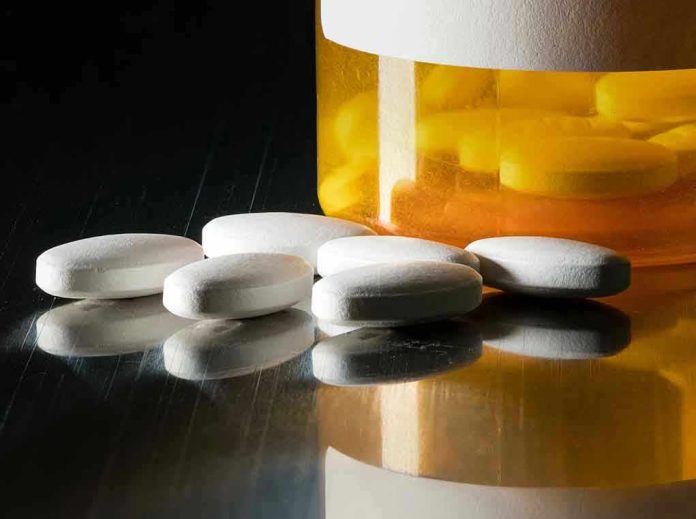
Mississippi lawmakers just turned abortion pills into felony drugs, threatening prison time for anyone mailing them across state lines—and it’s set to explode national telemedicine battles.
Story Snapshot
- House Bill 1613 reclassifies abortion-inducing drugs like mifepristone and misoprostol as controlled substances under drug-trafficking laws.
- Providers face 1-10 years in prison and civil penalties for mail-order or telemedicine distribution starting July 1, 2026.
- Rep. Celeste Hurst sponsored the measure, citing patient safety from unverified prescribing, while critics warn of harm to miscarriage and fertility care.
- The law targets out-of-state suppliers, building on Louisiana’s 2024 precedent and post-Dobbs enforcement gaps.
- Governor Larry Rhoden signed it in late March 2026 after strong House (77-39) and Senate (24-7) votes.
Legislative Passage of House Bill 1613
Rep. Celeste Hurst introduced the key amendment on February 11, 2026. The Mississippi House passed H.B. 1613 by a 77-39 vote, adding abortion-inducing drugs to the state’s drug-trafficking statutes. Sen. Joey Fillingane refined aggravated trafficking thresholds. The Senate approved it 24-7 on March 6, 2026. Governor Larry Rhoden signed the bill into law in late March. The measure takes effect July 1, 2026.
H.B. 1613 amends Mississippi Code Section 41-29-139. It defines abortion-inducing drugs as medications prescribed or dispensed to terminate a clinically diagnosable pregnancy. Mifepristone and misoprostol fall under this category when used for abortion. The law criminalizes manufacturing, selling, distributing, dispensing, or prescribing these drugs for that purpose. Hurst clarified patients face no punishment—only providers do.
Penalties and Enforcement Powers
Criminal penalties include 1-10 years imprisonment in the Mississippi Department of Corrections. The Attorney General gains authority for civil actions: declaratory relief, injunctions, penalties, and costs. These proceed independently of criminal cases. This dual approach empowers aggressive prosecution against telemedicine services. Out-of-state providers now risk liability for shipping to Mississippi residents.
The strategy exploits post-Dobbs limits. Mississippi’s near-total abortion ban since 2022 blocks in-state procedures. Mail-order from permissive states evaded it. This bill closes that loophole by criminalizing distribution, not possession. It mirrors Texas efforts where Attorney General Ken Paxton sued shield-state providers. Common sense supports protecting state law from interstate circumvention.
Stakeholders and Justifications
Rep. Celeste Hurst (R-Sandhill) framed the bill as patient safety. She argued mail-order pills arrive without doctor oversight or age verification. Facts show FDA protocols require screening, weakening her claim somewhat. Still, conservative values prioritize verified in-person care over remote prescribing. Sen. Joey Fillingane (R-Sumrall) backed the criminalization. Governor Rhoden enacted it swiftly.
Reproductive Freedom for All opposes, citing Louisiana’s 2024 law disrupting miscarriage management, fertility treatments, and pregnancy care. Providers there hesitate to prescribe mifepristone and misoprostol legitimately. Mississippi doctors now face similar risks. Low-income and rural residents suffer most, needing out-of-state travel for abortions. Telemedicine firms may halt service to avoid jail.
Impacts and Future Precedents
Short-term, mail-order access ends July 1, 2026. Providers chill, ceasing shipments. Long-term, Louisiana proves collateral damage: delayed miscarriage care endangers women; fertility patients lose essential drugs. Interstate prosecution could reshape telemedicine nationwide. Other states may copy this supply-chain attack, escalating post-Dobbs wars. Enforcement against out-of-state actors remains untested, inviting legal fights.
Sources:
Reprorights Substack: Mississippi Bill Would Criminalize
Mississippi Today: Bill to Restrict Abortion Medication
Mississippi Today: Abortion Pills Opponents