After 43 years of silence, the blood evidence left at a California murder scene finally spoke—and named two killers who thought they’d escaped justice forever.
Story Snapshot
- San Luis Obispo County detectives solved the 1983 murder of Dorothy “Toby” Tate using advanced DNA genealogy after traditional methods failed for over four decades
- Steven Richard Hardy and Charley Sneed, both Texas residents at the time and now deceased, were identified as the killers through forensic genome sequencing and fingerprint analysis
- The District Attorney confirmed sufficient probable cause existed for prosecution, closing the case as “exceptionally cleared” despite the suspects’ deaths
- Detective Clint Cole, who also solved the Kristin Smart case, coordinated with Othram Labs and Parabon Nanolabs to crack the cold case that stumped investigators since 1983
A Body in a Van and Decades of Dead Ends
On November 15, 1983, deputies found Dorothy “Toby” Tate’s body in her van at a Highway 1 turnout three miles north of Hearst Castle. The 41-year-old from Estes Park, Colorado, had been shot in the head. Investigators recovered blood samples and fingerprints from a Coca-Cola can at the scene. Two years later, Tate’s stolen camera surfaced at a Bakersfield pawn shop, but the trail had gone cold. The evidence sat in storage for decades, waiting for technology that didn’t yet exist.
When DNA Databases Hit a Wall
Traditional DNA testing successfully built a male profile from the crime scene blood, but the profile matched no one in CODIS or any criminal database. For investigators accustomed to DNA breakthroughs solving cases, this presented a frustrating reality: the killer had left his genetic signature but had never been arrested, never been swabbed, never entered the system. The case remained frozen until Detective Clint Cole decided to try something different in 2023, partnering with Othram Labs to employ forensic-grade genome sequencing rather than simple database matching.
https://www.ksby.com/news/local-news/decades-old-cold-case-in-san-luis-obispo-county-now-solved
The Science That Changed Everything
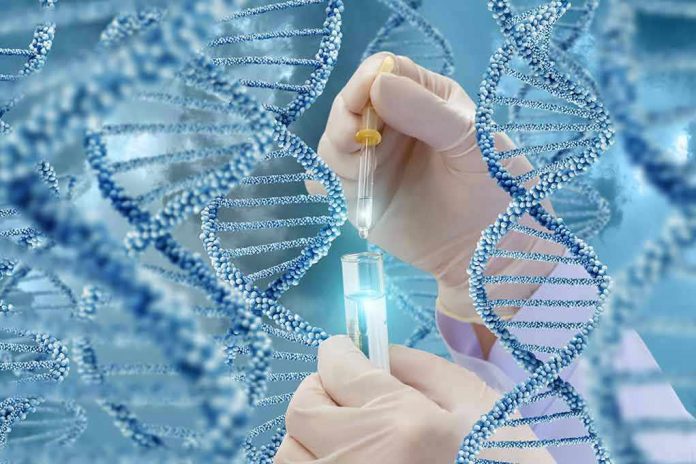
Forensic-grade genome sequencing represented a quantum leap beyond traditional DNA testing. Othram Labs extracted comprehensive genetic information from the decades-old blood evidence, creating a detailed profile that could be used for genealogical research rather than simple one-to-one database comparisons. This technology doesn’t require the perpetrator’s DNA to already exist in law enforcement databases. Instead, it traces family lineages through public genealogy records, narrowing the suspect pool through genetic relatives who may have never committed a crime themselves.
Parabon Nanolabs genealogist CeCe Moore applied this genetic roadmap to traditional genealogical research, following family trees backward and forward through time. The process identified Steven Richard Hardy as the source of the blood evidence. Separately, fingerprints from the Coca-Cola can matched Charley Sneed. Both men were Texas residents in 1983. Both are now dead, having lived their entire lives without answering for what happened on that November day.
Justice Delayed but Not Denied
The San Luis Obispo County District Attorney’s Office reviewed the evidence and confirmed sufficient probable cause existed to prosecute both men had they survived. This legal determination matters beyond symbolic closure. It validates the investigative work, confirms the evidence quality meets courtroom standards, and demonstrates that Hardy and Sneed would have faced trial. The case closed as “exceptionally cleared,” a designation reserved for solved cases where prosecution becomes impossible due to circumstances beyond law enforcement control.
Sheriff Ian Parkinson praised Detective Cole’s persistence and the power of modern forensic science. Cole’s track record speaks for itself—he previously solved the high-profile Kristin Smart and Nancy Woodrum murders. His approach combines old-school detective work with cutting-edge technology, a combination that turned a 43-year-old cold case into a closed file. For families of other cold case victims, Cole’s success offers hope that no case is ever truly beyond solving.
A Sister’s Long Wait Ends
Priscilla Tate, Dorothy’s youngest sister, lived more than four decades without answers about what happened to her sibling on that California highway. She expressed profound relief at finally achieving closure, describing the resolution as placing “a period at the end of the sentence.” The ability to lay her sister to rest, knowing who killed her and why, provided something that eluded the family since 1983—finality. The suspected motive was burglary and theft, senseless crimes that cost Dorothy Tate her life and her family decades of anguish.
The case demonstrates an uncomfortable truth about criminal justice: technology eventually catches up with criminals, even posthumously. Hardy and Sneed escaped earthly prosecution, but their identification ensures their names are forever attached to this murder. For families of victims in thousands of unsolved cases nationwide, the Tate resolution provides a template and a reason to demand that law enforcement agencies invest in advanced forensic technologies and dedicated cold case units. Evidence preserved from 1983 remained viable for analysis in 2023, proving that old cases can yield new answers when science advances and detectives refuse to quit.
Sources:
https://dnasolves.com/articles/dorothy-tate-california-1983/
https://www.ksby.com/news/local-news/decades-old-cold-case-in-san-luis-obispo-county-now-solved