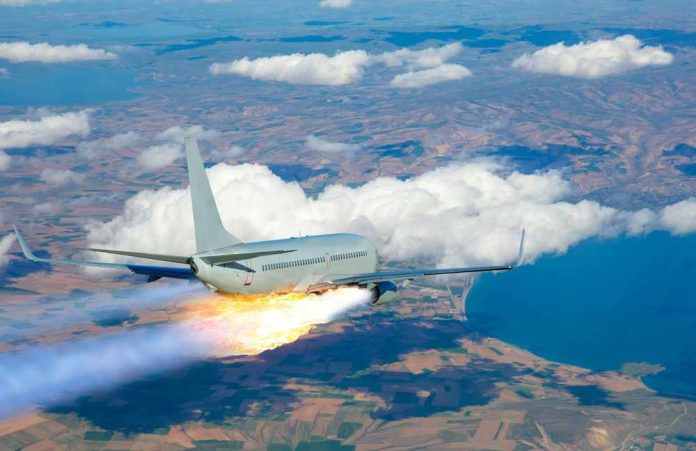
A Cape Cod plane crash highlights the need for stricter weather operation standards as winter conditions again challenge regional flight safety.
Story Overview
- A Cape Air Cessna 208B crashed during takeoff at Cape Cod Gateway Airport, killing the pilot.
- Weather and mechanical factors are under investigation as possible causes.
- The incident raises concerns about the safety of small planes in winter conditions.
- Cape Air temporarily suspended operations following the crash.
Tragic Incident at Cape Cod
On December 30, 2024, Cape Air Flight 401, a Cessna 208B Caravan, crashed shortly after takeoff at Cape Cod Gateway Airport, resulting in the tragic death of the pilot, Kerry Anne Smith. The plane had departed during challenging winter conditions, and shortly after leaving the runway, it lost altitude and crashed, igniting a post-crash fire. The incident is under investigation by the National Transportation Safety Board (NTSB) to determine the exact cause.
This crash has renewed focus on the inherent risks of operating small aircraft in adverse weather conditions. The NTSB’s preliminary findings suggested a probable loss of control during takeoff, with both weather and mechanical factors under scrutiny. The NTSB has yet to release their final report, which will provide a comprehensive analysis of the incident.
Potential Causes Under Investigation
Weather conditions on the night of the crash were less than ideal, with snow-covered runways and low visibility. These conditions are known to increase the risk of accidents for smaller aircraft like the Cessna 208B. The NTSB has been considering these factors alongside potential mechanical failures as they continue their investigation. The FAA has issued advisories for enhanced winter operations following the crash.
Historically, Cape Air’s fleet has maintained a strong safety record, but the Cessna 208B models have shown vulnerabilities to icing and low-speed stalls under certain conditions. This incident underscores the need for more rigorous safety protocols and potential updates to pilot training and aircraft operation standards.
Impact on Aviation and Local Community
The crash has had significant short-term impacts, including a temporary suspension of Cape Air operations, leading to numerous flight cancellations. The long-term implications could include changes in regulations regarding winter operations for small aircraft, as well as potential updates to Cape Air’s pilot training programs. The local community, particularly in Hyannis, experienced disruptions, though the airport resumed normal operations shortly after the incident.
As the investigation continues, the focus remains on ensuring that such tragedies are prevented in the future through improved safety measures and more stringent operational guidelines. The aviation community closely watches for the NTSB’s final report, which will likely influence future policy decisions and safety practices.
Sources:
NTSB Preliminary Report (DCA25FA044, Mar 2025)
Economic impact (Boston Globe, Jan 2025)