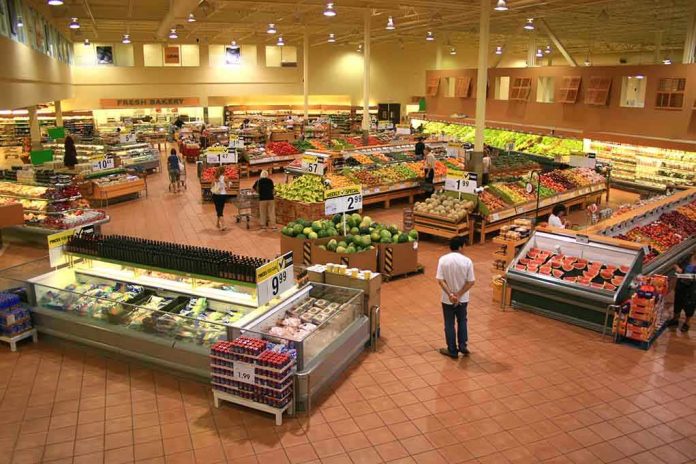
Madison is opening a city-owned grocery store after nearly a decade of delays, big promises, and bigger checks.
Story Snapshot
- The city will own the 24,000-square-foot store space and lease it to a private grocer.
- Leaders say this secures full-service grocery access for South Madison long term.
- The project took years and cost millions, drawing sharp criticism over need and waste.
- The model mirrors a growing trend: public ownership, private operation, long leases.
What Madison Is Actually Opening
City officials finalized a deal with Maurer’s Urban Market to operate a full-service grocery on South Park Street. The building’s grocery condo is owned by the city and leased to the operator. The store spans about 24,000 square feet on the ground floor of new housing. Leaders cast this as a promise kept to South Madison residents who wanted stable access to fresh food near home. The public-private structure is the point, not a footnote.
Supporters argue public ownership locks in grocery service through market swings. If a private grocer fails, the city still controls the space and can recruit a replacement. That is not theory; it is risk management in a thin-margin business. A long lease gives the operator stability, while city control keeps the mission on track. That balance explains why other cities study hybrid models instead of full government-run supermarkets.
Why The Price Tag Became The Story
The timeline stretched across years, with shifting plans and public patience wearing down. The Washington Post summarized it bluntly: more than eight million dollars and almost a decade to arrive at opening day. That line became an easy shorthand for critics who saw a slow, costly answer to a problem the market might have addressed on its own. The narrative writes itself when budgets bloat and doors stay shut.
Taxpayers ask fair questions: What did we buy, and what did it buy us? The clearest deliverable is control. The city owns a grocery-ready space in a key corridor. That asset can outlast political cycles and economic shocks. Still, conservatives judge not just intentions but results. If shelves are thin, prices drift up, and foot traffic lags, the investment looks like mission creep. If families shop weekly and nearby blocks revive, the story changes.
The Fair-Competition Fight
Critics warn that public ownership stacks the deck against private stores. They argue cities can cover costs that private operators must carry, then undercut prices and starve rivals. New York’s debate over city-run groceries lit that fuse. Grocers said taxpayer-backed stores would drain their customers and warp the market. That argument resonates because grocery profit margins are razor thin, and subsidies tilt outcomes fast.
This Madison deal tries to thread the needle. The city owns the space, but a private merchant runs the store. That leaves pricing, staffing, and supply chains in private hands. It also puts performance pressure where it belongs: on the operator. The concern does not vanish, though. Any public concession that lowers occupancy costs will feel like an edge to competitors nearby. Policymakers should publish a clear, simple ledger so residents can see the true net cost over time.
Benchmarks That Will Decide If This Works
Three metrics will reveal success or failure. First, weekly basket count: are families making this their main shop, or just a fill-in stop? Second, price parity: are core items—milk, eggs, rice, produce—within striking distance of regional chains? Third, neighborhood effects: do nearby storefronts fill, and do foot traffic and safety improve? If the answers trend yes, the model earns a longer leash. If not, sunset clauses and course corrections should kick in.
City leaders should also set red lines. If the operator needs ongoing subsidy to survive, the city must explain why and for how long. If the store crowds out stable private grocers, the council should adjust terms. Conservative common sense calls for simple rules: publish quarterly figures, hold open meetings on performance, and cap exposure. Public ownership is not a blank check; it is a tool that should prove its value in daylight.
Sources:
maurersurbanmarket.com, captimes.com, madison365.com