Two loose hydrocodone pills in a golf legend’s pocket tell a story far more troubling than any single DUI arrest ever could.
Story Snapshot
- Tiger Woods arrested March 27, 2026, after Florida rollover crash with two hydrocodone pills found in his pocket
- Showed severe impairment signs but zero alcohol on breathalyzer; refused urine test, adding automatic charge
- Secret Service had banned Woods from driving Trump family members days before crash due to observed struggles
- Woods claims 7 back and 20 leg surgeries drove painkiller dependency; faces April court date with rehab likely
The Crash That Exposed Everything
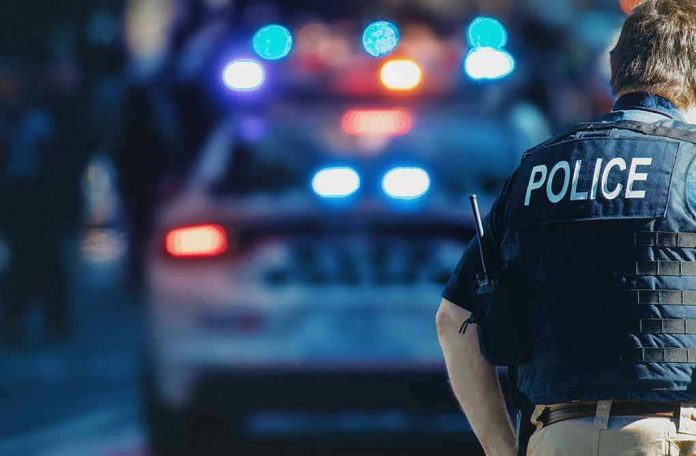
Tiger Woods rolled his vehicle in Palm Beach County, Florida, on March 27, 2026, around 2 p.m., just miles from his home. When officers arrived, they found a golf icon who appeared barely functional. Woods was lethargic, sweating profusely, with bloodshot eyes and an inability to follow basic sobriety test directions. He told police his cell phone and radio had distracted him. By 3:12 p.m., he was under arrest for DUI with property damage. The search that followed revealed two loose hydrocodone pills tucked in his left pants pocket, physical evidence of a dependency Woods had battled for years.
Woods insisted he hadn’t consumed illegal narcotics or alcohol that day, a claim partially validated when breathalyzer tests registered zero alcohol. Yet his impairment was undeniable. Officers transported him to a hospital, which he refused treatment from, and he left jail around 11 p.m. after an associate picked him up. His refusal to submit to a urine test triggered an additional charge, a decision that speaks volumes about what toxicology results might have revealed. This wasn’t Woods’ first dance with prescription drug impairment behind the wheel, but the presence of actual pills made this arrest harder to explain away as accidental medication interaction.
A Pattern Rooted in Pain and Poor Choices
Woods has undergone at least seven back surgeries and claims 20 leg surgeries, a surgical history that would break most people’s bodies and spirits. His dependency on prescription painkillers isn’t new. In 2017, he faced a similar DUI arrest involving a cocktail of hydrocodone, hydromorphone, THC, Ambien, and Xanax with no alcohol present. Multiple rehab stints followed, yet here he stands again, facing charges that suggest the cycle never truly broke. The hydrocodone found in his pocket is a powerful opioid prescribed for severe pain, the kind of medication that demands respect and careful monitoring.
Days before the crash, Woods appeared visibly impaired while competing in a TGL golf event, raising eyebrows among those who witnessed his condition. The Secret Service took the extraordinary step of banning him from driving Trump family members, a move tied to his relationship with the mother of Trump’s granddaughter, Kai. That ban wasn’t arbitrary; it reflected genuine concern about Woods’ fitness to operate a vehicle. The crash validated those concerns in the most public and damaging way possible. Golf media figures have labeled his drug history alarming, connecting the dots between legitimate medical needs and a pattern of dangerous behavior that endangers himself and others.
The Consequences Beyond the Courtroom
Woods faces an April 2026 court appearance on charges of DUI with property damage and refusal to submit to testing. His legal troubles are serious, but the broader implications cut deeper. Sponsorship deals hang in the balance, and his TGL participation now looks reckless in hindsight. The Masters, golf’s most prestigious tournament, will likely proceed without him as he returns to rehab, a familiar destination that hasn’t yet produced lasting change. Public sentiment may swing toward sympathy given his legitimate pain issues, but sympathy doesn’t excuse putting others at risk on public roads.
This arrest highlights a crisis affecting athletes across sports: the slippery slope from pain management to dependency. Woods’ story isn’t unique in professional athletics, where bodies are pushed beyond natural limits and prescription opioids become both medicine and crutch. The golf world faces renewed scrutiny over how it handles addiction among its stars, and whether enough support exists to prevent tragedies before they happen. Woods holds enormous influence and resources, yet still finds himself trapped in a cycle that wealth and fame cannot break. That reality should concern anyone who values personal responsibility and the safety of innocent drivers sharing the road with impaired individuals, regardless of their celebrity status.
The broader question remains whether Woods will finally confront his demons with the seriousness they demand, or whether another arrest waits down the road. His medical history earns genuine compassion, but compassion cannot coexist with tolerance for reckless endangerment. The two pills in his pocket weren’t just evidence; they were a warning sign ignored too many times. Common sense dictates that someone unable to pass basic sobriety tests shouldn’t be behind the wheel, and personal struggles don’t grant exemption from that standard. Woods’ next chapter will either demonstrate authentic change or confirm that even legends can squander their legacy through repeated poor choices that no amount of surgical steel can fix.