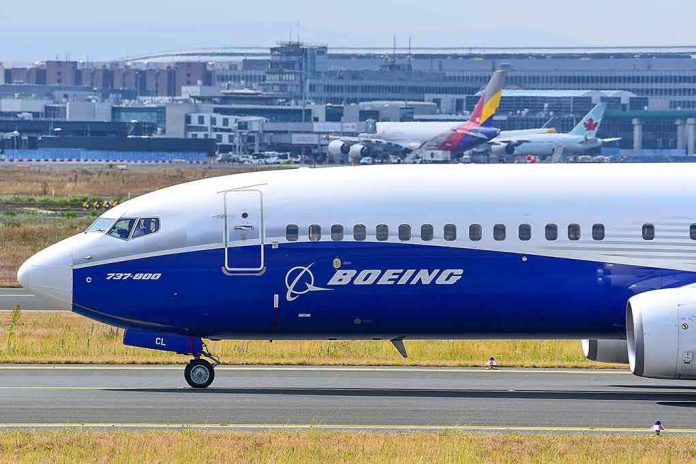
Aviation safety is under threat as military actions prompt FAA warnings over Latin American skies.
Story Snapshot
- The FAA warns airlines about potential military dangers over Latin America.
- US military operations in Venezuela and cartel threats in Mexico heighten risks.
- Airlines face route changes, delays, and operational challenges.
- Concerns grow over GNSS interference impacting aviation safety.
FAA Issues Urgent Safety Warnings for Latin American Flights
The FAA has issued multiple Notices to Air Missions (NOTAMs) advising airlines to exercise extreme caution in the airspace over Mexico, Central America, Colombia, Ecuador, and parts of the eastern Pacific Ocean. These warnings, effective immediately and valid until at least March 17, 2026, highlight potential military activities and GNSS interference. The advisories come as US military operations intensify in the region, particularly after the capture of Venezuelan President Nicolás Maduro.
This situation underscores the complexities and risks associated with increased military activity in Latin America. Airlines are expected to adjust their routes and enhance security measures to mitigate potential dangers. The FAA’s coordination with the military highlights the seriousness of the threats, as aviation safety remains a top priority amid these geopolitical tensions.
Military Operations Escalate Tensions in the Region
In early January 2026, the US military conducted “Operation Absolute Resolve” in Venezuela, capturing President Maduro. This operation was part of a broader strategy to combat drug cartels and regional instability, consistent with President Trump’s previous commitments. The escalation has led to increased US military presence, further straining relations with neighboring countries like Mexico, whose government calls for mutual cooperation to avoid unilateral actions.
President Trump has publicly stated the possibility of expanding military action against drug cartels, including potential strikes in Mexico. Such assertions have prompted responses from Mexican officials, who emphasize the need for bilateral coordination over unilateral military endeavors. This geopolitical dynamic continues to evolve, impacting regional stability and international relations.
Implications for Aviation and Regional Stability
The FAA’s advisories have significant short-term and long-term implications for airlines operating in the region. In the short term, airlines face route changes, delays, and cancellations similar to disruptions following the Venezuela operation. Long-term effects include sustained advisories that signal a prolonged US military presence, potentially leading to expanded operations in the region.
The economic impact on airlines is substantial, with increased fuel and operational costs. Politically, the situation strains US-Mexico relations, as Mexican officials seek to prevent escalation through diplomatic means. Socially, travel warnings amplify fears of regional instability, affecting tourism and local economies. The aviation sector must adapt technologically to counteract GNSS interference, reflecting the broader narrative of US military engagement against drug-related activities.
Sources:
FAA Issues Warnings to Airlines on Central, South American Flights Over Potential Military Actions
US Aviation Authorities Warn of Risks in Latin America Due to Military Activity
FAA Issues NOTAM: Military Activity in the Pacific