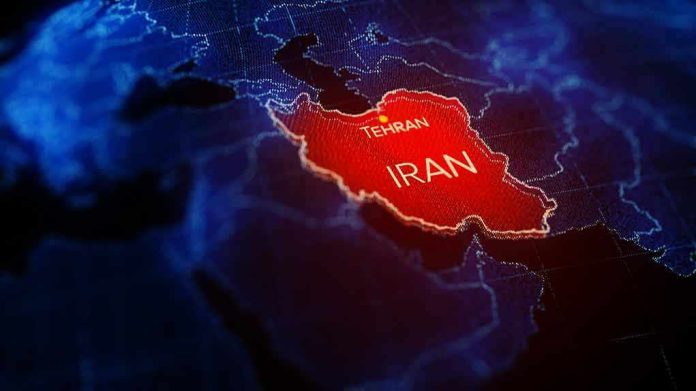
In less than two weeks of coordinated military strikes, 3.2 million Iranians—roughly the population of Chicago—have fled their homes in what the United Nations calls an escalating humanitarian catastrophe with no end in sight.
Story Snapshot
- UNHCR reports 3.2 million Iranians internally displaced since U.S.-Israeli attacks began February 28, 2026
- Mass evacuations from Tehran and urban centers to northern and rural areas continue as airstrikes destroy homes and infrastructure
- Afghan refugee families in Iran face heightened vulnerability amid strikes on civilian sites by all parties
- Humanitarian experts warn displacement figure will rise as hostilities persist with no ceasefire in sight
- Regional aid systems strain under simultaneous crises in Gaza, Lebanon, and now Iran as oil shocks inflate relief costs
Unprecedented Scale of Urban Exodus
The United Nations High Commissioner for Refugees documented the displacement of approximately 3.2 million people—representing 600,000 to 1 million households—as of March 12, 2026. This figure emerged from preliminary assessments conducted by UNHCR coordinator Ayaki Ito, who emphasized the number would likely climb as attacks continue. The speed and magnitude dwarf recent Middle East displacement crises, unfolding in a heavily urbanized nation rather than a protracted conflict zone. Families packed belongings and abandoned homes in Tehran and other cities, streaming toward perceived safety in northern provinces and rural areas.
Witness accounts paint a grim picture of the exodus. Mahshid, a Tehran resident, described airstrikes obliterating her neighborhood and forcing her family to flee with minimal possessions. Explosions near a pro-Palestinian rally in central Tehran killed at least one civilian in early March, underscoring the danger faced by those who remained. The UNHCR noted that Afghan refugee families already living in Iran confront particular risks, lacking resources and support networks that Iranian citizens might access during flight.
Coalition Strikes and Iranian Retaliation
U.S. and Israeli forces launched the first wave of attacks on February 28, 2026, targeting sites across Iran in what coalition planners framed as countering regional Iranian influence and proxy operations. Iran responded swiftly, striking targets in multiple Gulf countries and Israeli territory, broadening the geographic footprint of the conflict. Heavy bombardment concentrated on Tehran through early March, destroying residential buildings and critical infrastructure. The campaign’s intensity drove the rapid displacement, as families concluded remaining in cities posed unacceptable mortality risks for children and elderly relatives.
Jeremy Konyndyk, president of Refugees International, characterized the conflict as involving multiple strikes on civilian sites by all sides. His organization documented what he termed a flagrant disregard for civilian safety, warning that prolonged warfare could trigger cataclysmic consequences extending beyond Iran’s borders. The mutual targeting of civilian infrastructure distinguishes this escalation from prior U.S.-Iran tensions, which typically involved proxy skirmishes or limited strikes on military installations rather than sustained urban bombardment.
Humanitarian System Under Siege
The displacement crisis arrives as global humanitarian networks already stagger under compounding demands. Nearly two million people remain displaced in Gaza following Israeli operations, while Lebanon projects 500,000 evacuees from southern areas due to Hezbollah-Israel clashes. Oil market shocks triggered by the Iran conflict inflate fuel and transport costs for aid programs in Sudan and Myanmar, stretching budgets that face simultaneous cuts. Konyndyk noted U.S. funding reductions and diversions have kneecapped response capacity at the worst possible moment, leaving agencies scrambling to secure basic supplies.
UNHCR and partner organizations work with Iranian authorities to assess needs and coordinate relief, though access remains constrained by ongoing hostilities. Aid shipments destined for the region sit stalled in Dubai logistics hubs, awaiting security clearances and transport windows. Overflowing shelters in Lebanon cannot absorb additional refugees should Iranians flee across borders, raising fears of a regional cascade. The short-term outlook features overwhelmed services and insecurity even in northern safe zones, while long-term scenarios include potential internal Iranian instability and refugee waves that could destabilize neighboring states.
Questions of Civilian Protection and Accountability
Ayaki Ito’s March 12 statement stressed the urgent need to protect civilians, a call echoed across humanitarian organizations monitoring the conflict. The preliminary nature of the 3.2 million estimate suggests the true scale may emerge only after hostilities cease and comprehensive surveys become feasible. Civilian strike claims from all parties lack independent verification in available reports, though the displacement numbers themselves offer indirect confirmation of widespread danger. The conflict’s rapid escalation from initial strikes to mass urban flight underscores how quickly modern warfare can unravel civilian life in densely populated areas.
Over 3 Million Iranians Forcibly Displaced Under US-Israeli Bombardment https://t.co/nwzeaZXq8T
— zerohedge (@zerohedge) March 15, 2026
The facts align with a troubling pattern seen in recent Middle East conflicts: military objectives pursued with insufficient regard for non-combatant welfare, resulting in humanitarian disasters that outlast the battles themselves. The concentration of strikes on Tehran, a city of millions, raises profound questions about proportionality and the protection standards international law demands. As the displacement figure climbs and refugees exhaust savings in temporary shelters, the human cost of strategic calculations made in Washington, Tel Aviv, and Tehran becomes impossible to ignore. The world watches a population the size of a major American city scatter across a nation at war, their return contingent on ceasefires that remain frustratingly absent from official statements.
Sources:
Over 3M people internally displaced by US-Israel war on Iran: UN – Daily Sabah
US-Israeli Attacks Have Forced 3.2 Million Iranians to Flee Their Homes – Democracy Now
UN: Over 3.2 Million Iranians Displaced By War – Iran International
Iran Refugee Crisis – Common Dreams
The Iran War Is Breaking Global Humanitarian Aid Efforts – Council on Foreign Relations
Middle East war displaces three million inside Iran, says UN – Le Monde